

Stays
A holiday you come home rested from
Shopping, meals, cleaning, arrivals: what a turnkey villa takes off your hands, and what to check so a large house stays a holiday.
Read the article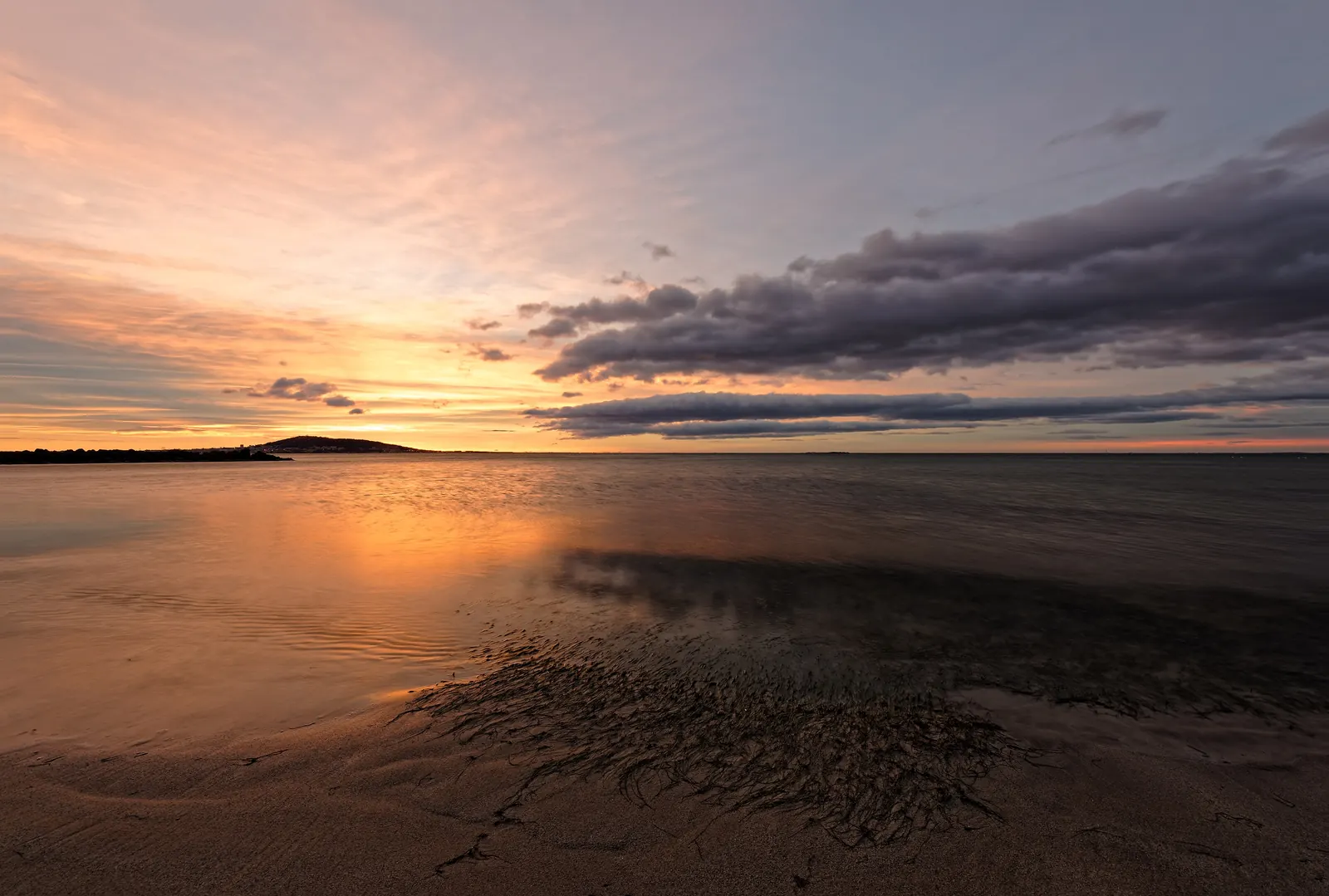
A place you visit, you leave satisfied. A place you stay in, you leave already looking for dates to come back. The difference rarely comes down to the photograph that triggered the booking. It comes down to details few people think to check, and everybody feels after two days.
When a family writes to us, they talk about the pool, the number of bedrooms, the view. That is quite natural: those are the only criteria a booking site lets you compare. Six months later, when the same family sends us a note, they talk about something else. About the outdoor table where breakfast ran until eleven. About the corner of the pine grove where the teenager went to read, alone, without anyone coming to find him. About the fact that the car stayed parked for five days.
Those three things rarely appear in a listing. All three decide the holiday.
This is the most decisive criterion, and the least often mentioned. A due-south terrace on the Mediterranean is hard to use between noon and five in July. A pool that falls into shade from four onwards empties at exactly the moment the water becomes pleasant.
Here, both pools, one 12 x 5 metres and one 8 x 4, stay in the sun until evening. That owes less to a feat than to an inheritance: the estate was built in 1950 by people who lived here year-round, and who placed the houses according to the path of the sun before thinking about anything else. We benefit from their common sense.
Shade follows the same logic. A hectare of pine grove is worth more than a decorative argument: it is a reserve of coolness for the hours when the pool reaches its limits. Pines bring the felt temperature down by several degrees, and they filter the wind when the tramontane picks up.
A holiday is worn down by journeys. Going out for bread, walking back down for towels, back up again for a forgotten phone: it is those round trips that tire people, more than the kilometres of the drive down.
We often measure a place by one simple question: how many times a day do you have to get into a car? Here the answer is close to zero. The slipway is at the end of the garden. The lunch table is fifteen metres from the kitchen. The pool house and its plancha keep life outdoors. These are invisible savings, and they are what make the fifth day still feel like the first.
This is the most delicate point in large holiday houses: designed to gather people, they rarely plan for withdrawing. After three days, fourteen people in a single space, however generous, end up crossing paths a little too often.
One comment comes back more than any other in our reviews: "There were fourteen of us, and yet everyone had their own corner." The architecture counts for a great deal there. Three independent houses rather than one, terraces of different sizes, pockets of pine grove, a stretch of garden on the water side: the estate offers several scales of privacy. You come together when you want to, you disappear when you need to, and nobody has to explain themselves.
The last factor is the hardest to photograph. A holiday house is judged by what it allows after nine in the evening. If dinner retreats indoors for want of light, shelter from the damp or room around the table, the holiday loses its best moment.
That is why the outdoor table, the lighting and the shelter matter more than the living-room furniture. August evenings here often end late, outside, with nobody watching the clock. It is what everyone talks about on the way home.
Four questions are enough, wherever you are looking, here or elsewhere:
1. What time does the pool fall into shade, in July?
2. Where do you go when it is 34 degrees and you want to come out of the water?
3. How many car journeys does an ordinary day require?
4. Can you have dinner outside at ten in the evening, thirty of you, without moving anything?
An owner who knows their place answers those four questions without hesitating. An intermediary is often at a loss. That too tells you what is waiting for you.
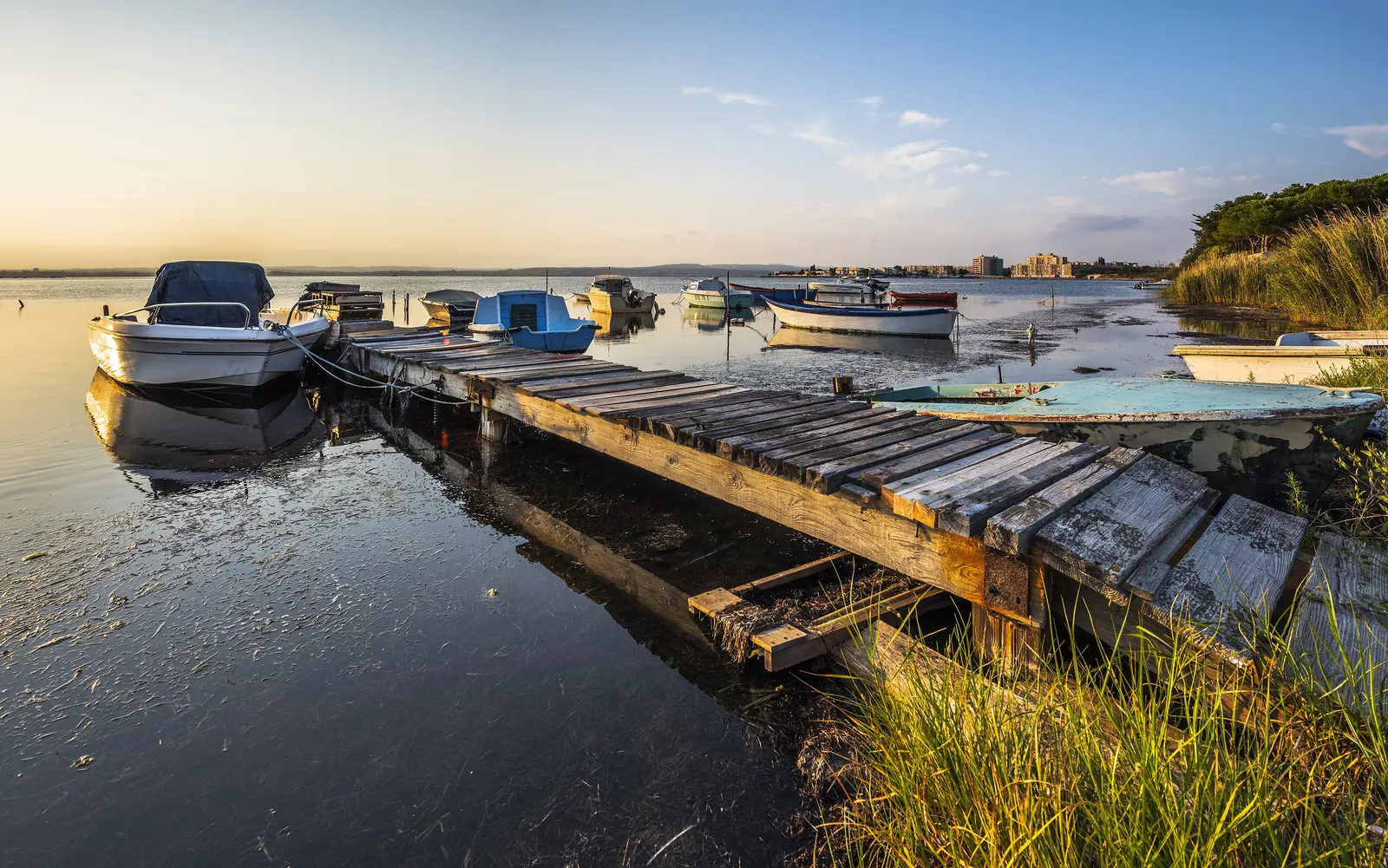
Photo: Christian Ferrer, CC BY 4.0, via Wikimedia Commons
June and September are the two most comfortable months: the lagoon water is already, or still, at a good temperature, the afternoon heat stays bearable and visitor numbers are far below July and August. May and October also work well for a stay built around walking, food and time on the water.
Yes. The estate has three independent houses that can be rented separately or together: La Bergerie for 14 people, La Bergerie de l'étang for 10 and La Bergerie du parc for 8. Taking the whole estate brings the capacity to 32 beds.
A hectare of pine grove borders the houses, and the pines bring the felt temperature down by several degrees during the hottest hours. The two pools, by contrast, stay in the sun until evening.
Shopping, meals, cleaning, arrivals: what a turnkey villa takes off your hands, and what to check so a large house stays a holiday.
Read the article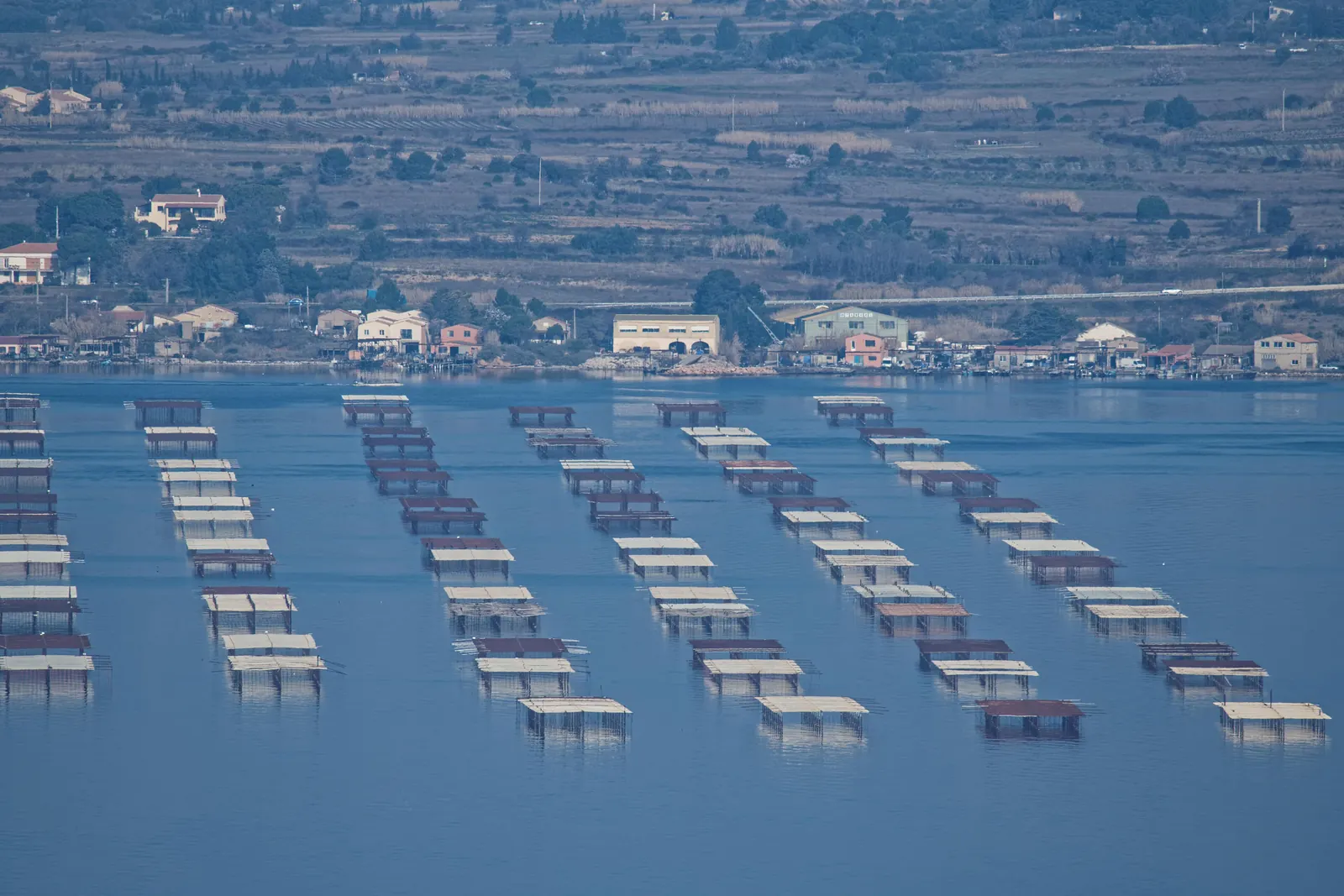
Oysters at the water's edge, the Sète market, the Bouzigues tables and the fishermen's dishes: where and how to eat around the étang de Thau.
Read the article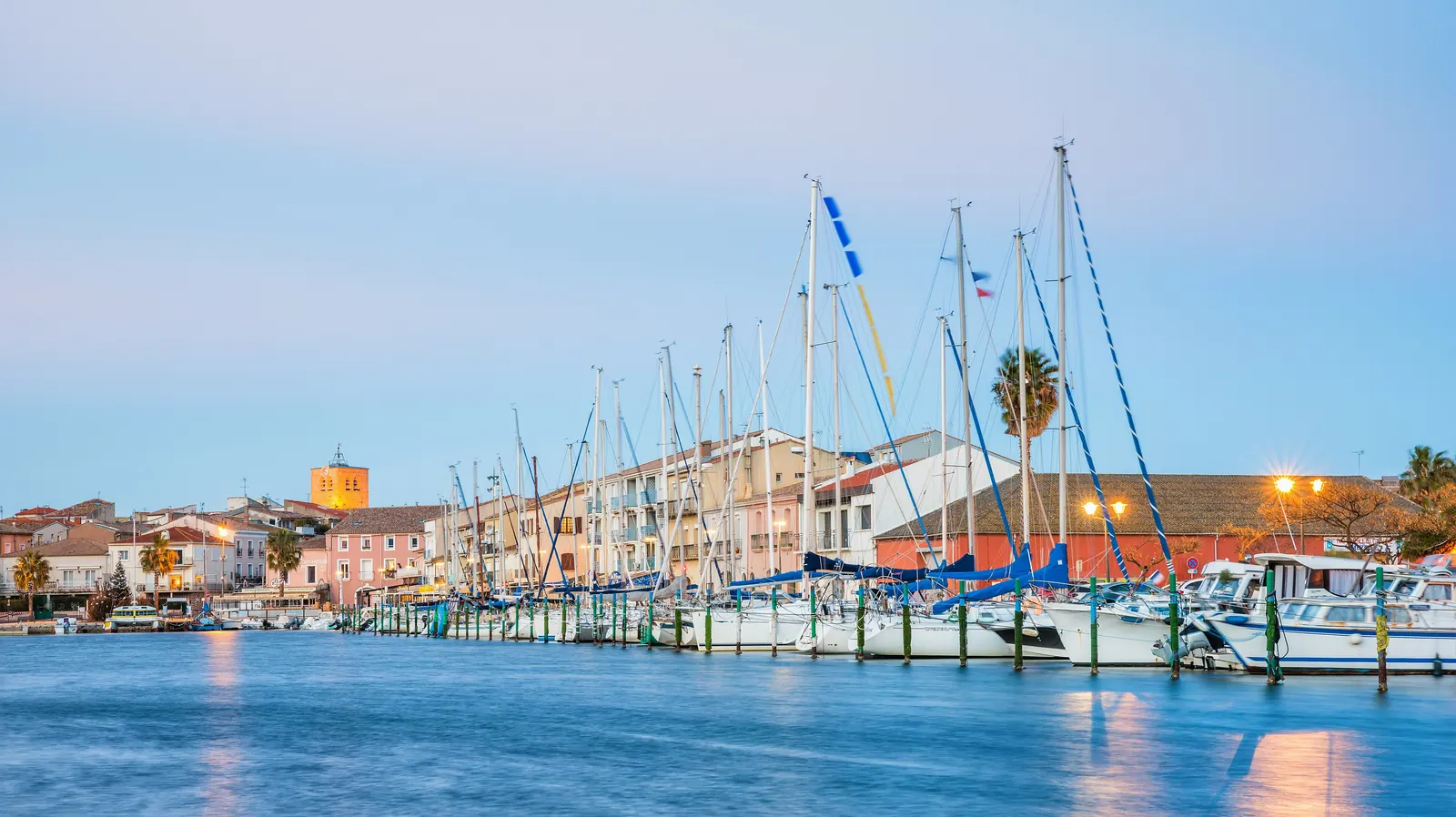
Paddleboard, kayak, sailing and oyster tables: what the étang de Thau looks like from the water, and when to go out to see it at its best.
Read the articleThis site uses only functional cookies, which it needs in order to work. No advertising or tracking cookies are set. By continuing, you accept our privacy policy.
