


Stays
A good holiday is a place you stay in
What separates a villa you visit from a villa you leave with regret: orientation, shade, short distances and places to be alone.
Read the article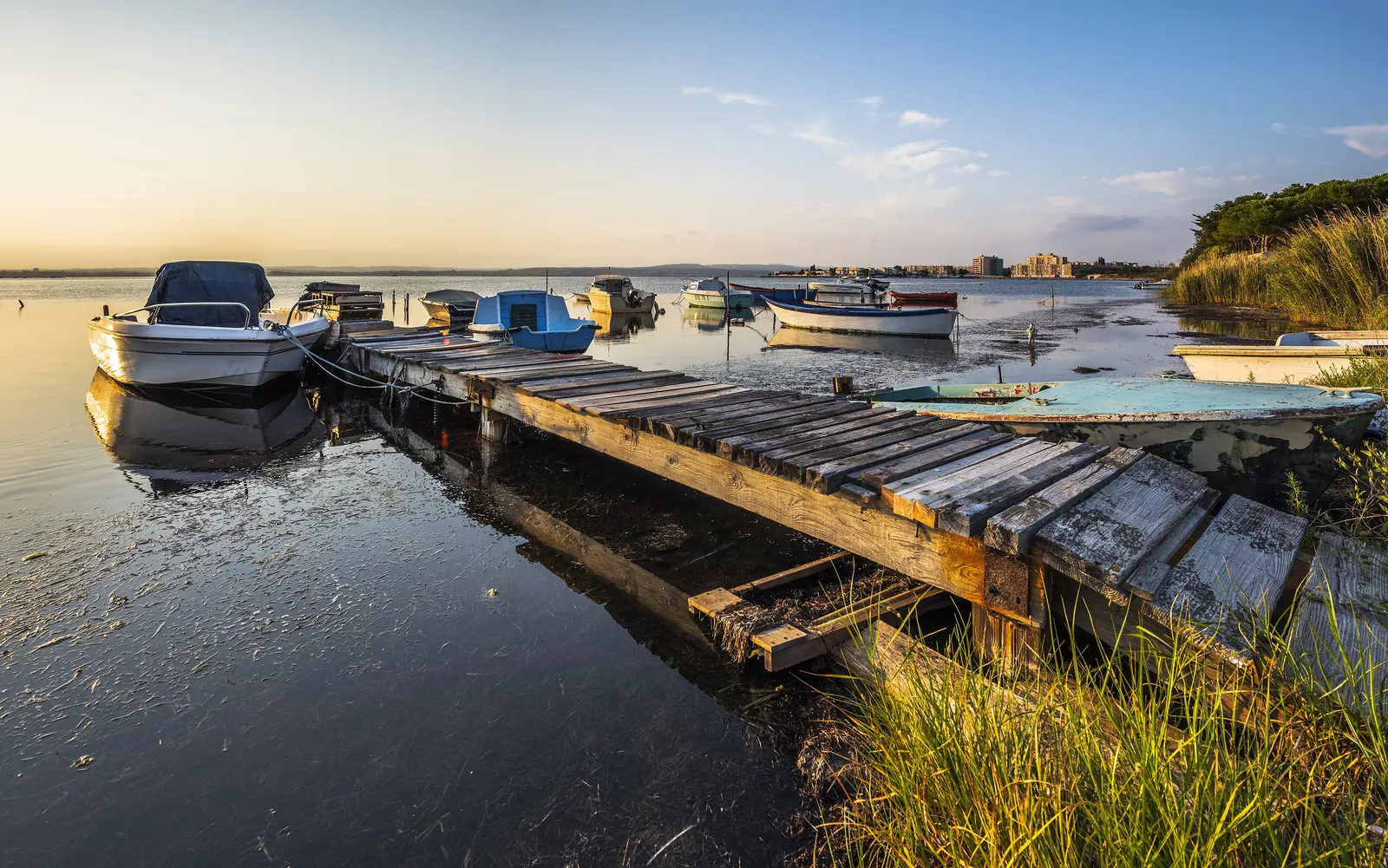
Renting a large house for fifteen people sometimes means signing up for a week of logistics: the first day's shopping, three meals a day to prepare, the cleaning before you leave. We take the opposite view: anything that can be settled before you arrive is settled. Here is what that covers, service by service.
When a group of fifteen or twenty arrives at a rental, someone always ends up carrying the load. It is usually the same person, the one who organised the trip. They do the shopping on Saturday afternoon, they count the cutlery, they get up first, and they go home more tired than when they arrived.
That owes more to organisation than to fate. Most of the tasks that weigh down a group holiday can be handed to people who do this for a living, on site, at a cost well below what the same week would represent in a hotel or in restaurants.
Breakfast. Delivered on site, in the morning, for the whole group. It is the service that changes the shape of a day the most: the morning is free of the fifteen-bowl routine, and breakfast can stretch out without becoming a problem.
Basic shopping. A market basket left before you arrive, sized to the group and the length of the stay. You walk into a house with a full fridge. The first day of the holiday starts at three in the afternoon rather than seven in the evening.
One or several prepared meals. A private chef for the arrival dinner, or a caterer for the celebration meal in the middle of the stay. It is often the best money spent on a family holiday: it frees up the evening when everyone is there, and leaves the kitchen alone.
Activities. Watersports instructors, a trip out on the water, a paddleboard session for the teenagers: booked in advance, at the right times, which spares you hunting for phone numbers once you are here.
Cleaning. Daily if you want it, or only at the end. It is the most ordinary and most underrated service: it gives the last day back the morning that tidying takes from it.
Turnkey here means a menu rather than a package. Each service is offered separately, with its price, and you take what is useful to you.
The formula also leaves the estate to you alone: once you are settled in, you are at home. Services come and then fade away.
This is where many rentals lose the thread. You book on a platform, a manager sends you the codes, a cleaning company comes by, an outside caterer calls two days before, and the full picture dissolves. The day something shifts, four phone numbers remain to be called.
Here you write to one person, and it is the same person from the first message until you leave. They know the estate, they know the partners, they know what can be relied on. Direct, with no platform commission, which incidentally also changes the price.
This is the conversation organisers approach with some caution, and it is settled in one go when it is framed the right way. Services compare less with the price of a home-cooked meal than with what the group would have spent otherwise.
Dinner in a restaurant for fifteen people, with two cars, a driver who does not drink and a booking made three weeks ahead, almost always costs more than a chef coming to cook on site. Breakfast delivered works out cheaper than a morning of shopping and the fuel that goes with it. Daily cleaning is the only item with no equivalent: it buys time, and time is exactly what you came for.
The method that works: price each service per person per day, present the full list to the group before booking, and let everyone weigh in. A six-line table sent once spares six weeks of messages.
Before booking a large house, these three questions deserve to be put in writing:
1. What happens if we arrive at nine in the evening?
2. Who do we call if the water heater fails on a Sunday?
3. Can we have a meal prepared for the evening we arrive, and how much notice do you need?
The answers will tell you more than thirty photographs. A place run by its owners replies within hours; a place managed remotely takes days, or points you to a form.
The best feedback we have received on this subject was not about us. A family wrote to tell us it was the first time in years that the person who organised the holiday had been able to swim in the afternoon like everyone else. That is exactly the point.
Photo: Christian Ferrer, CC BY 4.0, via Wikimedia Commons
Yes. Each service is offered separately, with its price, and you take what is useful to you. The formula is a menu, rather than an imposed package part of the group would never use.
As soon as your dates are fixed, and at least two to three weeks ahead in July and August. Partners around the basin work with several houses and their evenings fill up early in high season.
End-of-stay cleaning and daily cleaning are both offered as options. The second is the one that changes a group holiday the most, because it removes most of the invisible load.
What separates a villa you visit from a villa you leave with regret: orientation, shade, short distances and places to be alone.
Read the article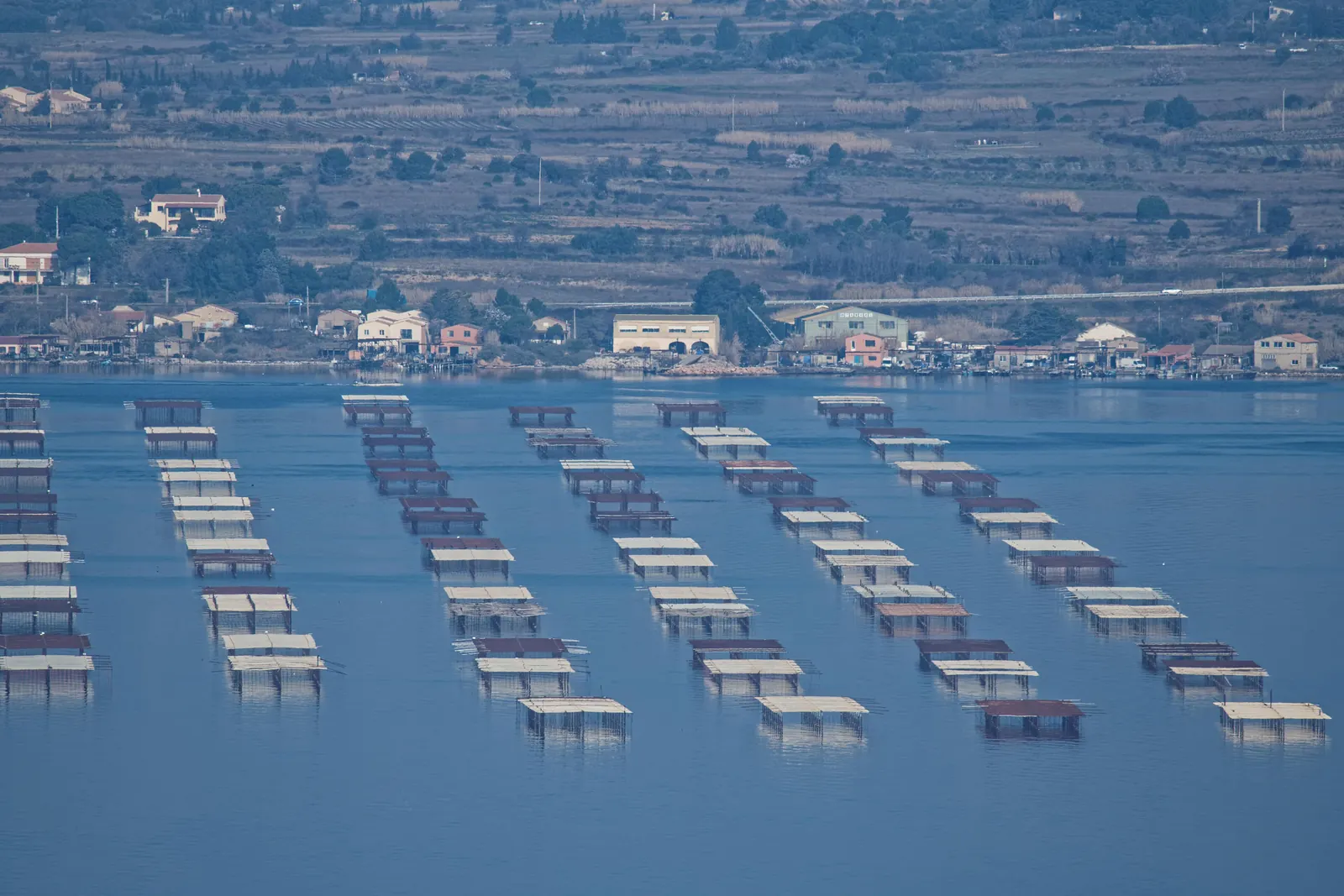
Oysters at the water's edge, the Sète market, the Bouzigues tables and the fishermen's dishes: where and how to eat around the étang de Thau.
Read the article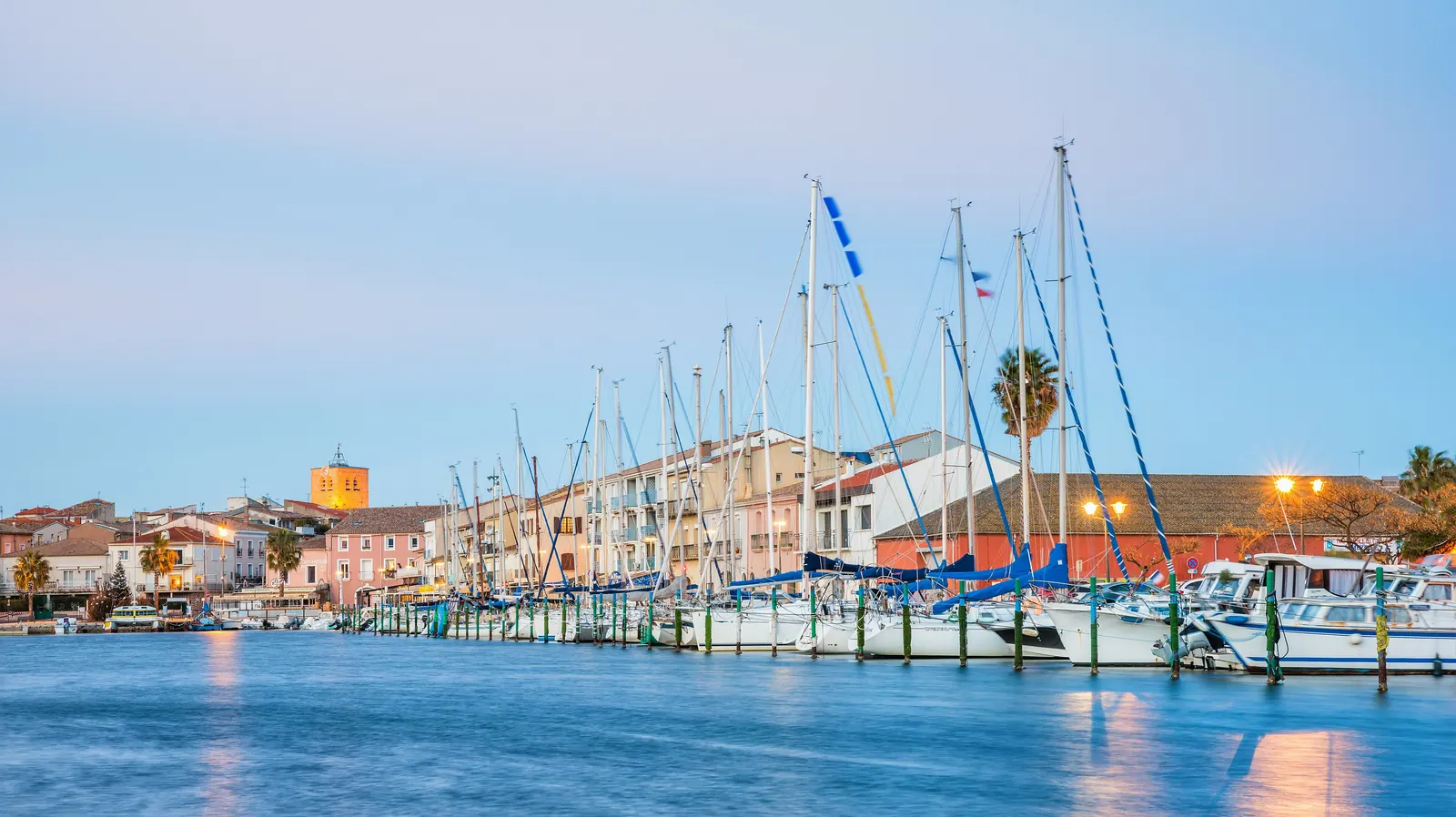
Paddleboard, kayak, sailing and oyster tables: what the étang de Thau looks like from the water, and when to go out to see it at its best.
Read the articleThis site uses only functional cookies, which it needs in order to work. No advertising or tracking cookies are set. By continuing, you accept our privacy policy.
