

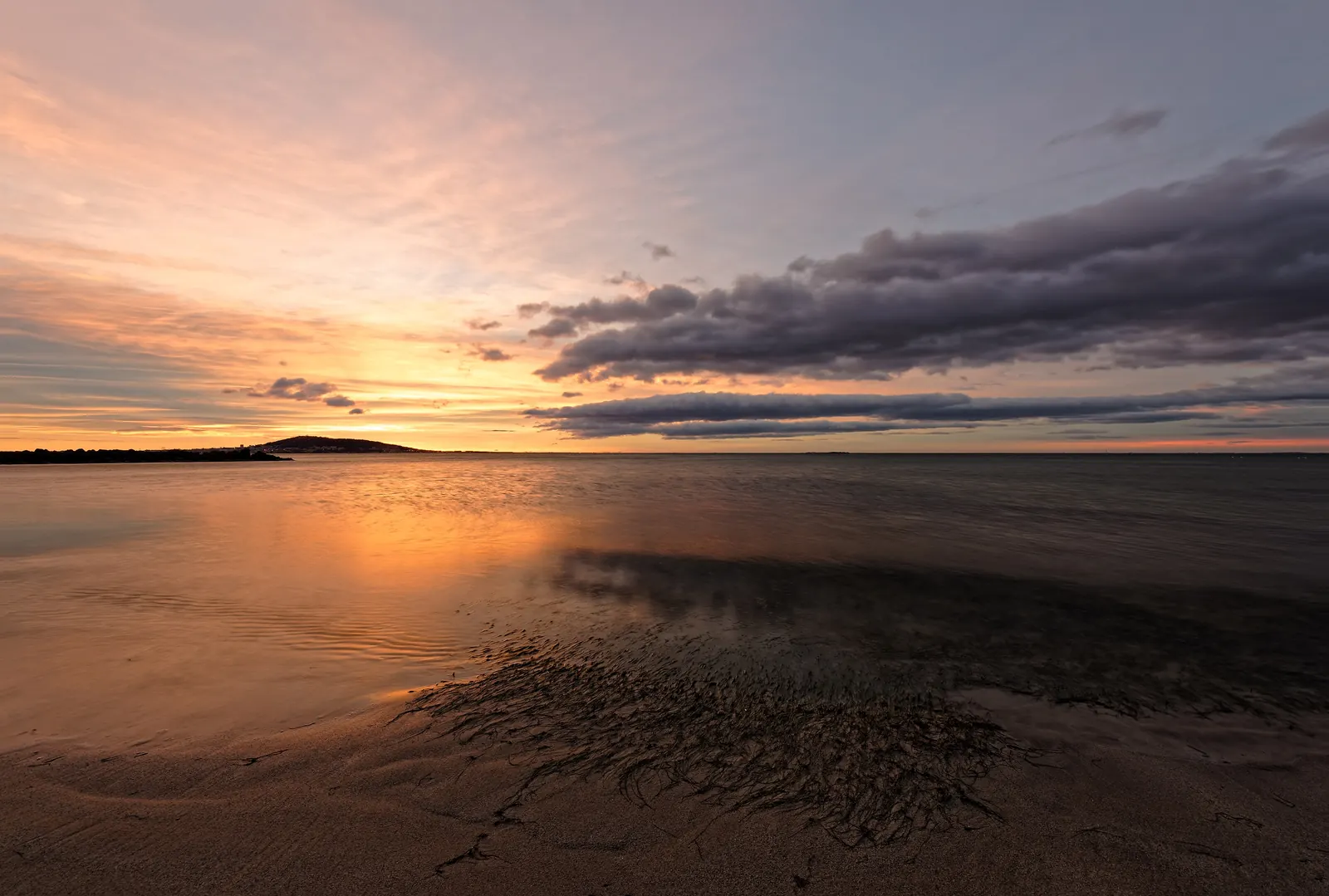
Stays
A good holiday is a place you stay in
What separates a villa you visit from a villa you leave with regret: orientation, shade, short distances and places to be alone.
Read the article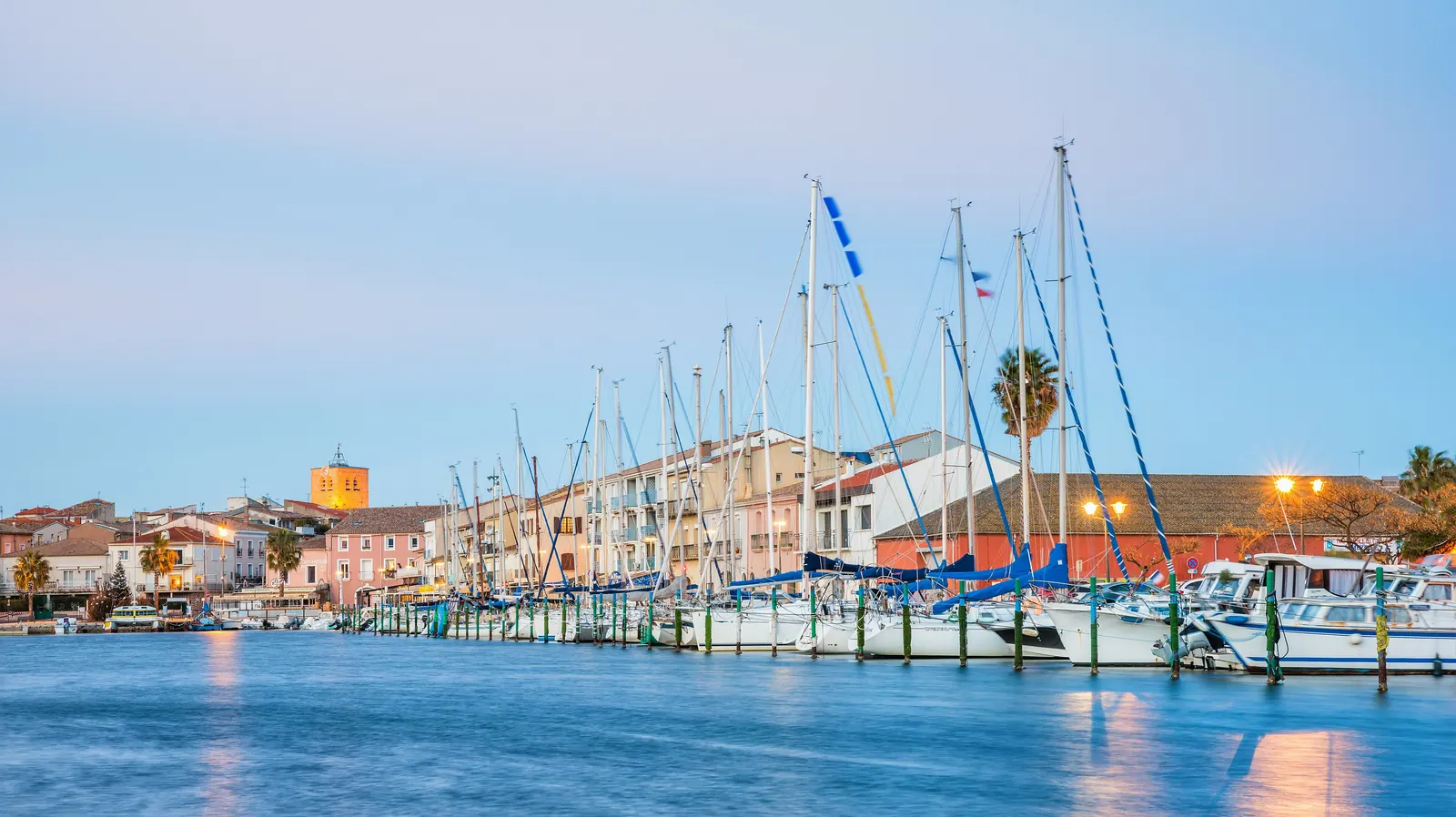
From the main road it is a wide flat expanse with rows of posts. From a paddleboard at seven in the morning it is something else: shallow clear water, flamingos a hundred metres away, Mont Saint-Clair cut out against the sky, and a silence rarely found at sea. The same stretch of water, an altogether different experience.
The étang de Thau is the largest lagoon in Languedoc: some twenty kilometres long, a few kilometres wide, separated from the Mediterranean by the Sète sandbar. The water is brackish, a mix of fresh and sea water, and it is shallow across most of its surface.
That shallowness explains almost everything. The water warms quickly in spring, well before the sea. It stays mild late into September and October. It is calm three quarters of the time, because a lagoon is sheltered from swell: only the local wind raises a chop, and that drops as soon as the wind does. For anyone discovering the paddle, it is the most forgiving stretch of water on the coast.
The shellfish tables, first. Those lines of posts are working farms, and passing between them at first light, while the boats are out, is the best moment of the day on the water. You keep your distance and you leave the moorings alone: these are workplaces.
The flamingos, next. They are here all year and feed in the shallows. From the road you see a pink smudge. From the water, with no engine and no noise, you get closer than anyone expects.
Below the surface, the seagrass beds. The lagoon is home to seahorses, discreet and entirely real, along with quantities of small fish living in the eelgrass. A mask and snorkel are enough, in clear water, to occupy children for an hour.
Paddleboarding. The way in. Twenty minutes are enough to stand up on calm water, and the shallow depth removes the apprehension: when you fall, you can more or less stand. It is the activity we see work from grandfather to teenager, often on the same morning.
Kayaking. More stable still, and the right choice for covering distance or taking two people of different rhythms. It is also the best platform for watching wildlife without frightening it.
Sailing. The basin is a recognised training ground, precisely because it offers wind with flat water. Schools and instructors on the northern shore take beginners and experienced sailors alike.
Swimming. Perfectly possible and pleasant, in water warmer than the sea. The bottom is muddy in places: you choose where you get in, and favour sand and seagrass.
Two regimes dominate, and knowing how to read them is worth any weather app.
The tramontane comes from the north-west. Dry, often strong, it clears the sky, makes the lagoon lively for paddling and excellent for sailing. It frequently gets up in the morning.
The marin comes from the south-east. Damper, gentler, it brings cloud and a glassy surface early in the day.
The practical rule fits in one sentence: for paddling, kayaking and swimming, the morning wins. Between seven and ten the lagoon is almost always flat, whatever the season. That is also the hour of the light, the birds and the silence. The afternoon belongs to the wind, and therefore to sailing.
This is the detail that changes how often you actually go out. When you have to strap a paddleboard to a car, find an access point, pay for parking and carry the gear down, you go out once in a week. When the slipway is at the end of the garden, you go out every morning.
That is why groups staying here spend far more time on the water than they expected to. The desire was there; logistics were what decided.
Seven thirty: paddle or kayak out towards the shellfish tables, an hour, back before the heat. Nine: breakfast outside. Eleven: mask and snorkel from the slipway, for anyone who wants to see the seagrass. Afternoon: pool and pine grove, once the wind gets up. End of day: back on the water if the marin has dropped, or a drink facing the lagoon if it is the tramontane.
That programme does without booking or driving, and it holds up every day of the week.
Photo: Christian Ferrer, CC BY 4.0, via Wikimedia Commons
Yes, and the water is warmer than the sea, earlier in the year and later in the season. The bottom is muddy in places: choose where you get in and favour sand and seagrass.
The shallowness of the lagoon makes it considerably more reassuring than the open sea, and buoyancy aids are provided by the instructors. Anyone uncomfortable in water gains from saying so before the session, and an accompanied boat option is always available.
The slipway is private, at the end of the garden. Equipment and supervision come through partner instructors, to be booked in advance for the morning slots, which are the best ones.
What separates a villa you visit from a villa you leave with regret: orientation, shade, short distances and places to be alone.
Read the article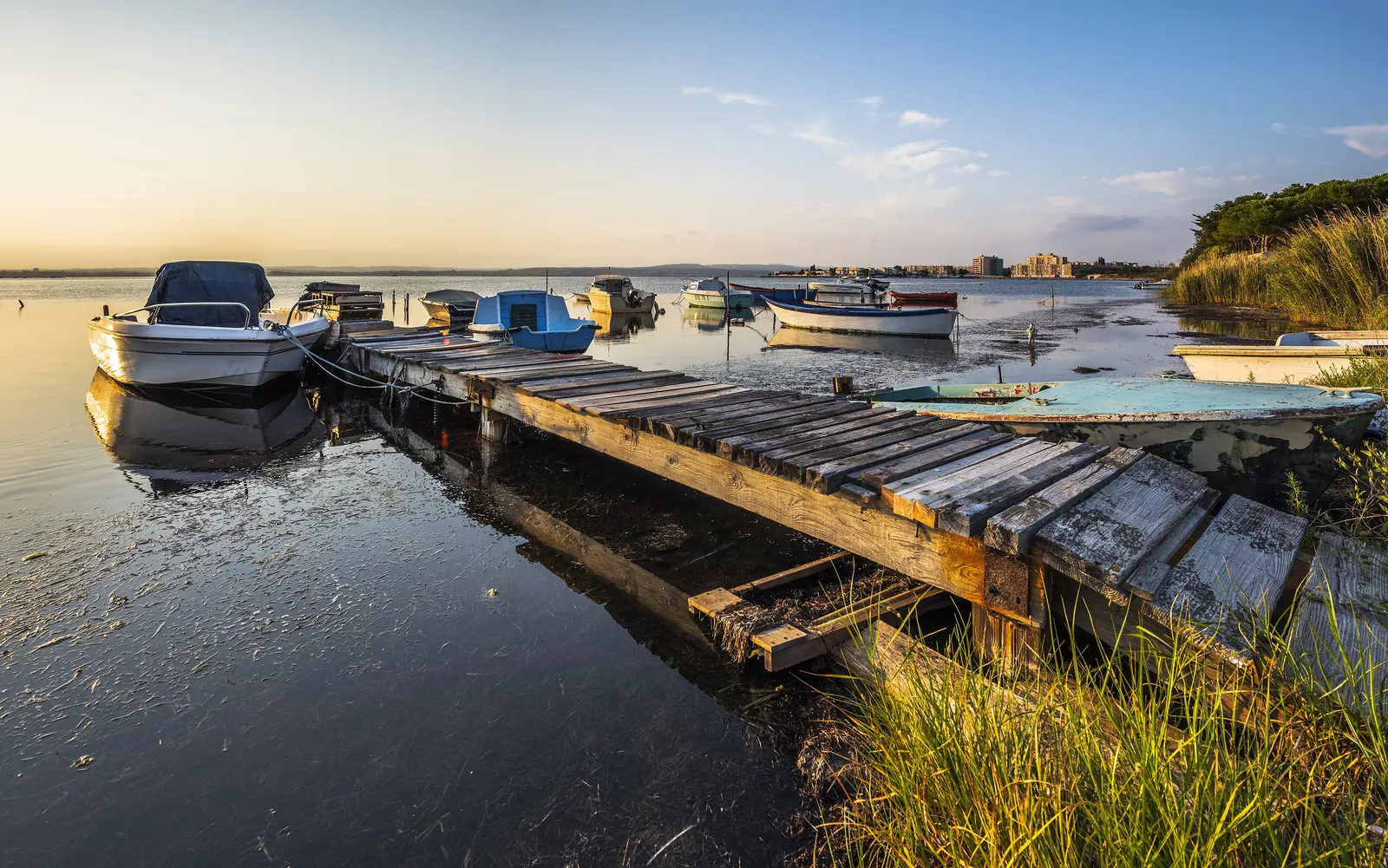
Shopping, meals, cleaning, arrivals: what a turnkey villa takes off your hands, and what to check so a large house stays a holiday.
Read the article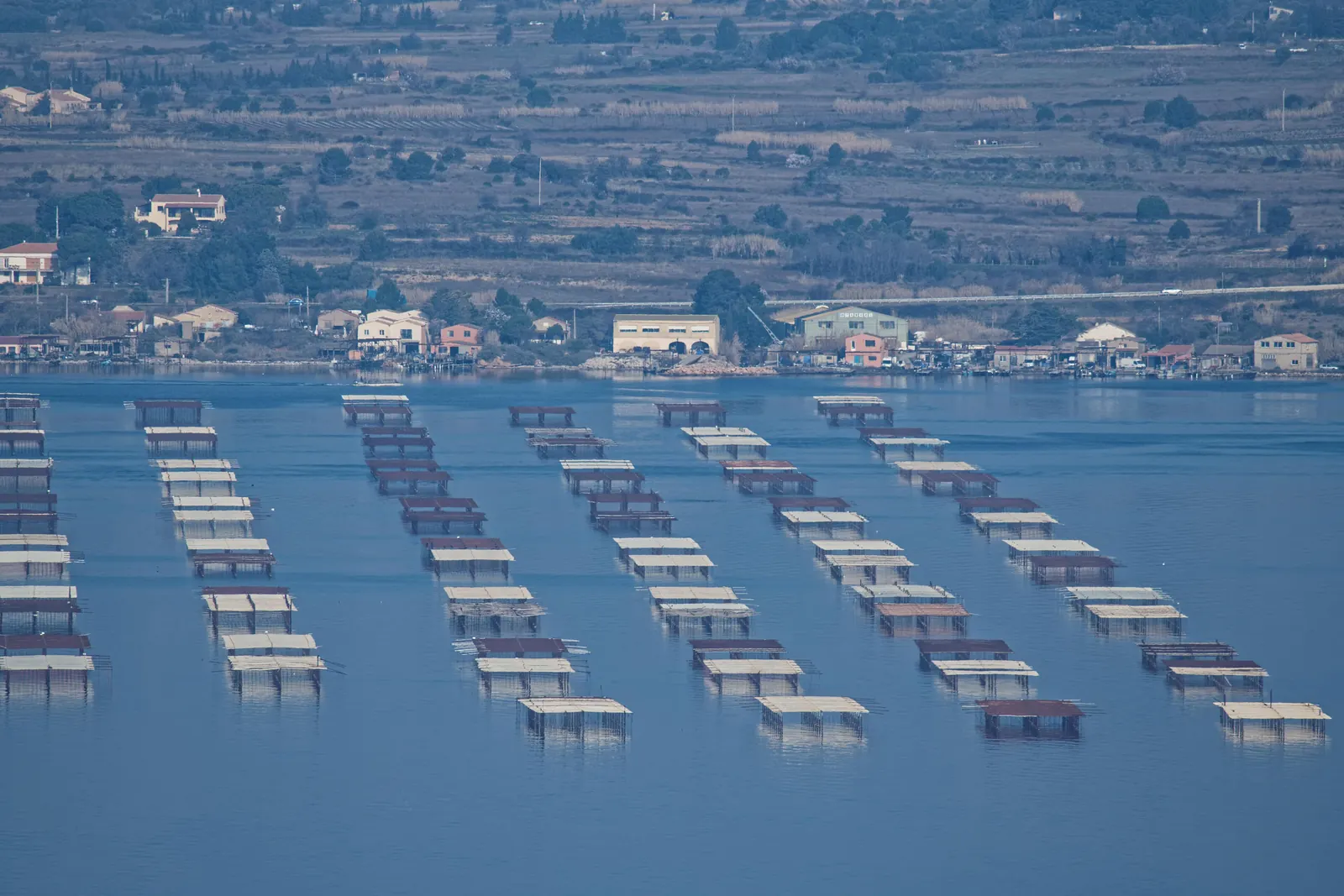
Oysters at the water's edge, the Sète market, the Bouzigues tables and the fishermen's dishes: where and how to eat around the étang de Thau.
Read the articleThis site uses only functional cookies, which it needs in order to work. No advertising or tracking cookies are set. By continuing, you accept our privacy policy.
