

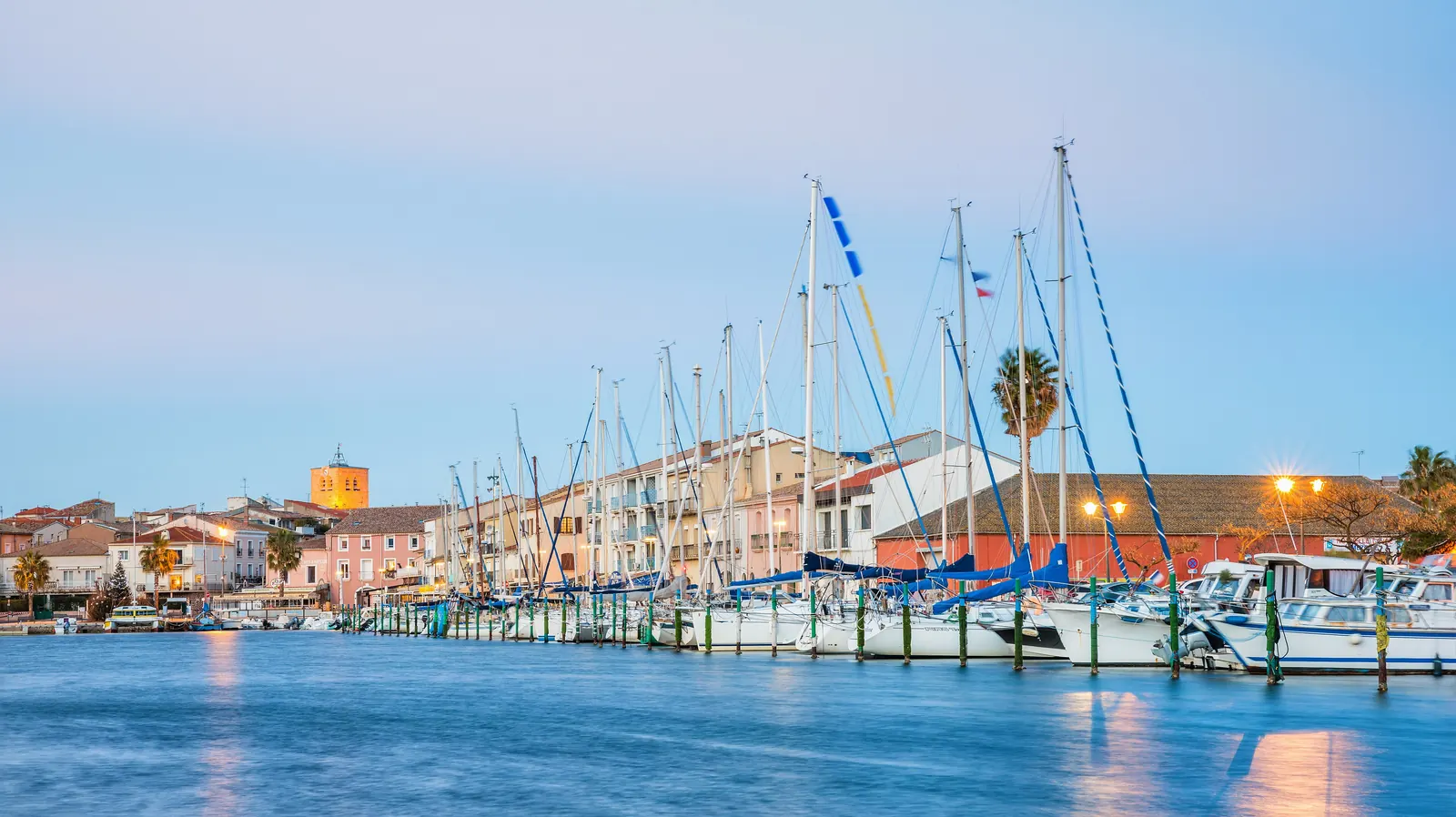
Stays
The étang de Thau reveals itself from the water
Paddleboard, kayak, sailing and oyster tables: what the étang de Thau looks like from the water, and when to go out to see it at its best.
Read the article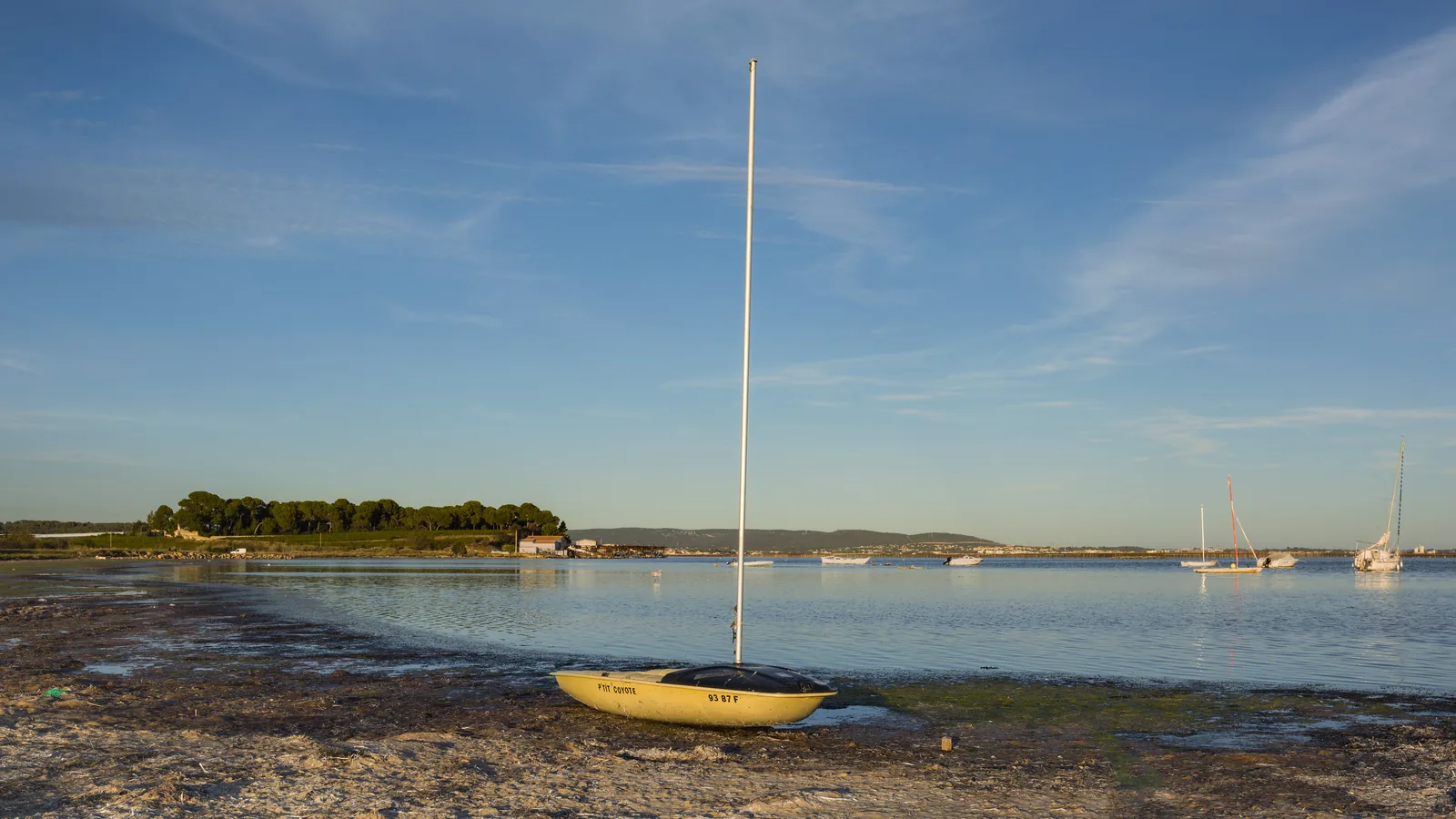
The lagoon has a rare quality: it is shallow, its water stays flat most of the time, and you can stand across much of its surface. In other words, it forgives. A group where nobody has ever held a paddle can spend an hour on the water on the first morning, and several come back every day. Here are three outings that work in those conditions, with the hour, the level actually required and what to bring.
This is the way in, and it is also the finest hour of the day on the basin. Between seven and nine the lagoon is almost always smooth, whatever the season.
The level actually required: being able to kneel on a board. Twenty minutes are enough for most adults to stand up, and falling has no consequence since you can stand across much of the route. Children from about eight keep up without difficulty, often faster than their parents.
What to bring: a buoyancy aid, provided by the instructors, clothes that can get wet, and something to dry off with. Nothing else. Equipment is hired on site or booked with an instructor.
What the regulars do: they go out before breakfast and come back for the table. The session lasts only an hour, which leaves the whole day ahead, and that is exactly why they do it again the next morning. We set it out in our piece on the lagoon seen from the water: the afternoon belongs to the wind, the morning belongs to flat water.
This one exists for a precise reason: in a group of twelve there are almost always two or three people whom the idea of standing on a board does not delight. A grandparent, someone who swims little, a pregnant woman.
The level actually required: none. You sit down, an instructor handles the boat, and the outing lasts as long as everyone else's.
What to bring: a hat, water, and a place booked at the same time as the paddleboards, in the same slot. That is the point that matters: an option planned for the same moment and the same place, rather than a fallback offered on the day.
What the regulars do: they book it as a matter of course, even when nobody has asked. It costs little, and it avoids the situation where part of the group watches the others from the shore. In practice the boat often sees the most, because it comes close to the shellfish tables without having to manage its balance.
The basin is a recognised training ground for a simple reason: it offers wind with flat water. The schools on the northern shore take complete beginners all year round.
The level actually required: being able to swim twenty-five metres, which the schools check. Beyond that, nothing. Training dinghies are sailed two or three up, and the instructor stays on the water with the group.
What to bring: a full half-day, a complete change of clothes, and a booking several days ahead in July and August. Late-afternoon slots are the windiest, and so the most demanding: for a first contact, the middle of the day suits better.
What the regulars do: they send the teenagers, who progress fast and come back proud, while the rest of the group does something else. It is the only one of the three that asks you to build the day around it.
One rule is enough. If you only do one, make it the morning paddle: it takes the least preparation, it includes the most people, and it bears repeating. The boat is booked alongside it, as a principle. Sailing is for a week-long stay, and for the days when the wind gets up.
A word on the season: the lagoon warms earlier than the sea and stays mild late. April, May, September and October work very well, with fewer people on the water and a light that is worth the trip on its own.
Three outings, three levels of commitment, and none of them assuming you have sailed. The lagoon is the most forgiving stretch of water on the coast, and that is what lets a whole group go out together rather than two sporty members going alone. The rest comes down to the hour you set off.
The shallow depth makes it considerably more reassuring than the open sea, and a buoyancy aid is provided. Anyone uncomfortable in water gains from telling the instructors before setting off, and an accompanied boat option runs in the same slot.
From about eight on a paddleboard with an adult nearby, with no lower limit for the accompanied boat. Sailing schools take children from eight or nine depending on the club, on condition that they can swim.
Between seven and ten in the morning. The water is almost always flat then, whatever the season. The wind gets up afterwards, which suits sailing better than paddleboarding.
Paddleboard, kayak, sailing and oyster tables: what the étang de Thau looks like from the water, and when to go out to see it at its best.
Read the article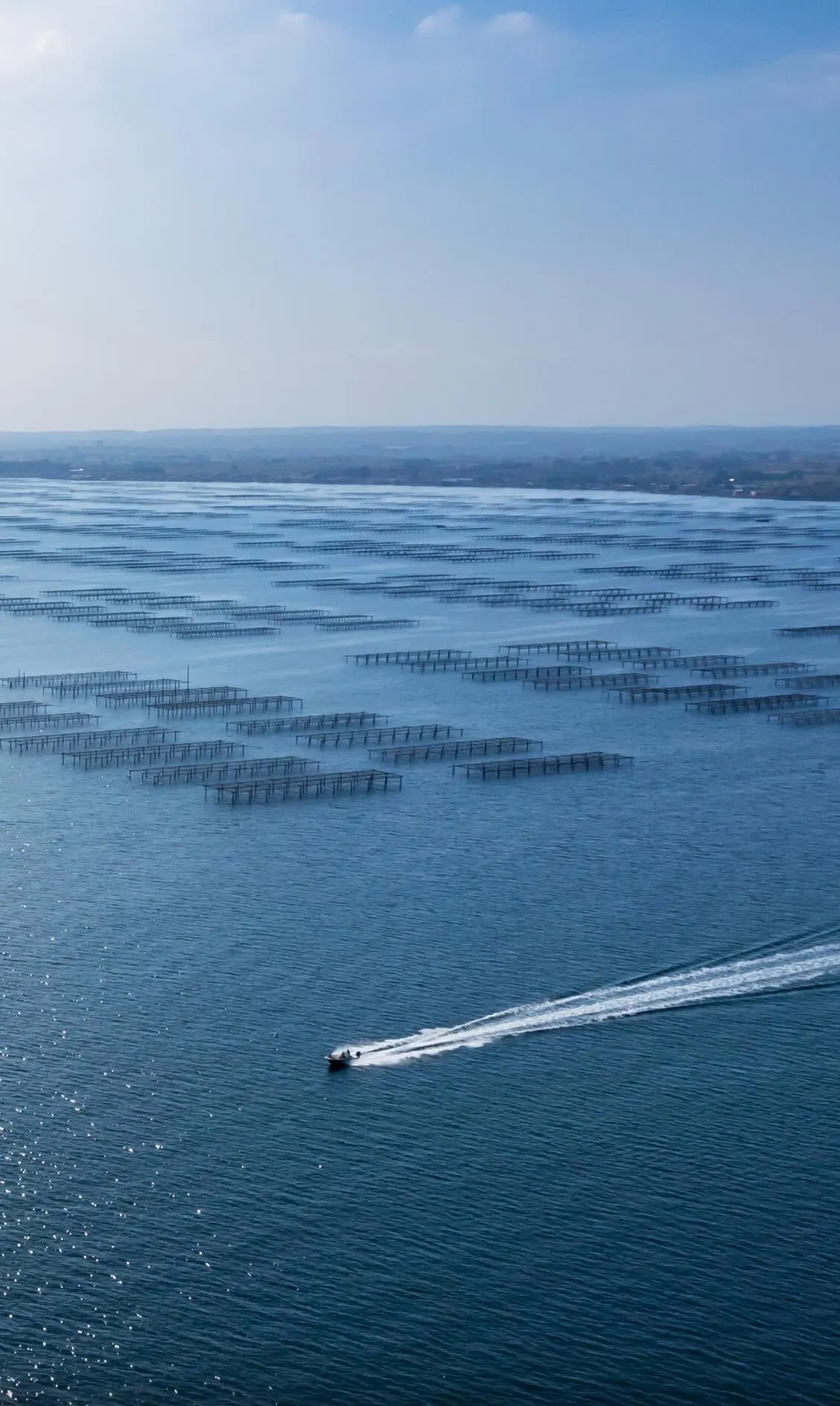
Sète, Bouzigues, Marseillan, one outing a day: five ways to overload a week around the lagoon, and the rhythm that lets it breathe.
Read the article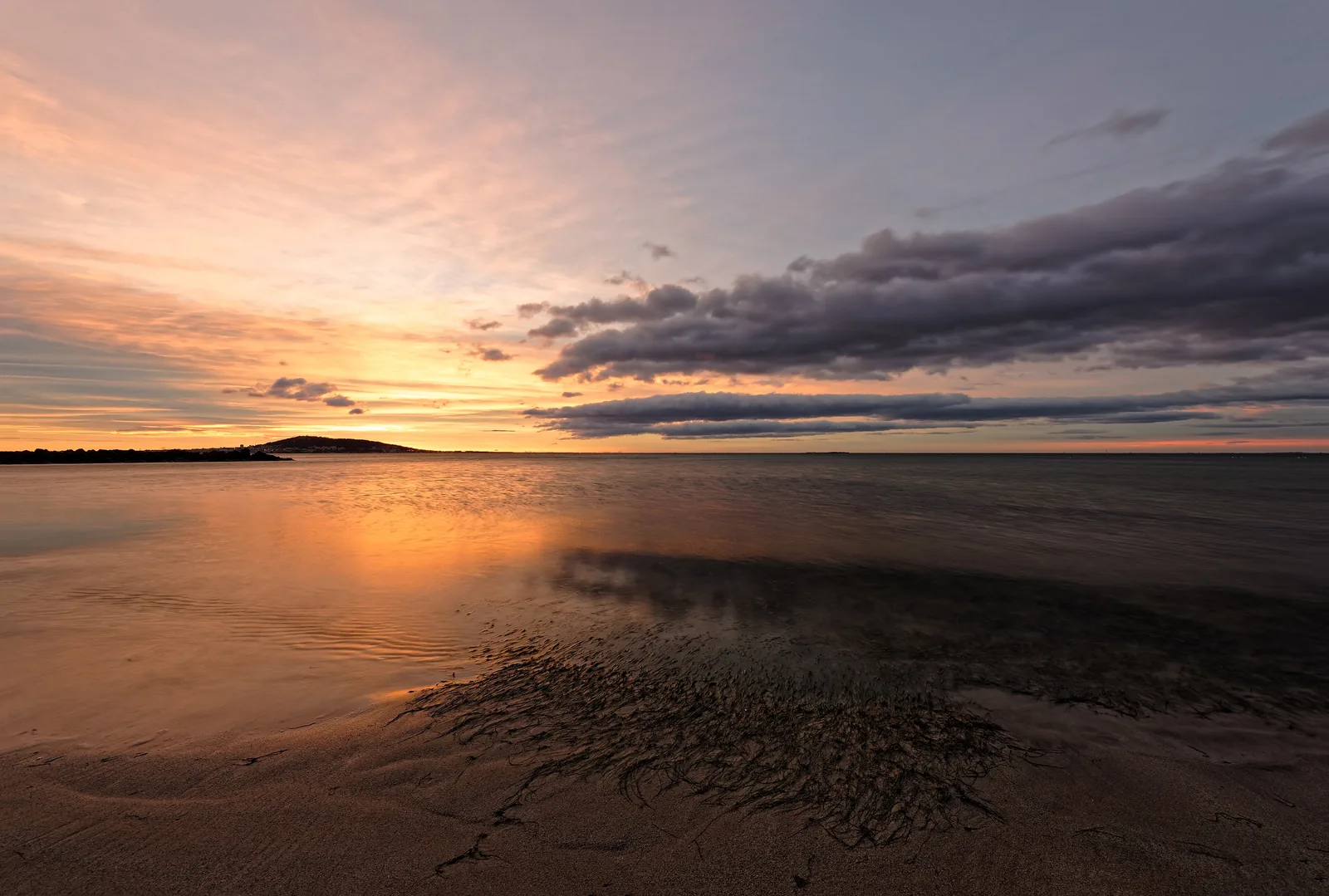
Dawn, the mid-afternoon backlight, the blue hour: three appointments with the light that justify a late-season stay.
Read the articleThis site uses only functional cookies, which it needs in order to work. No advertising or tracking cookies are set. By continuing, you accept our privacy policy.
