

Stays
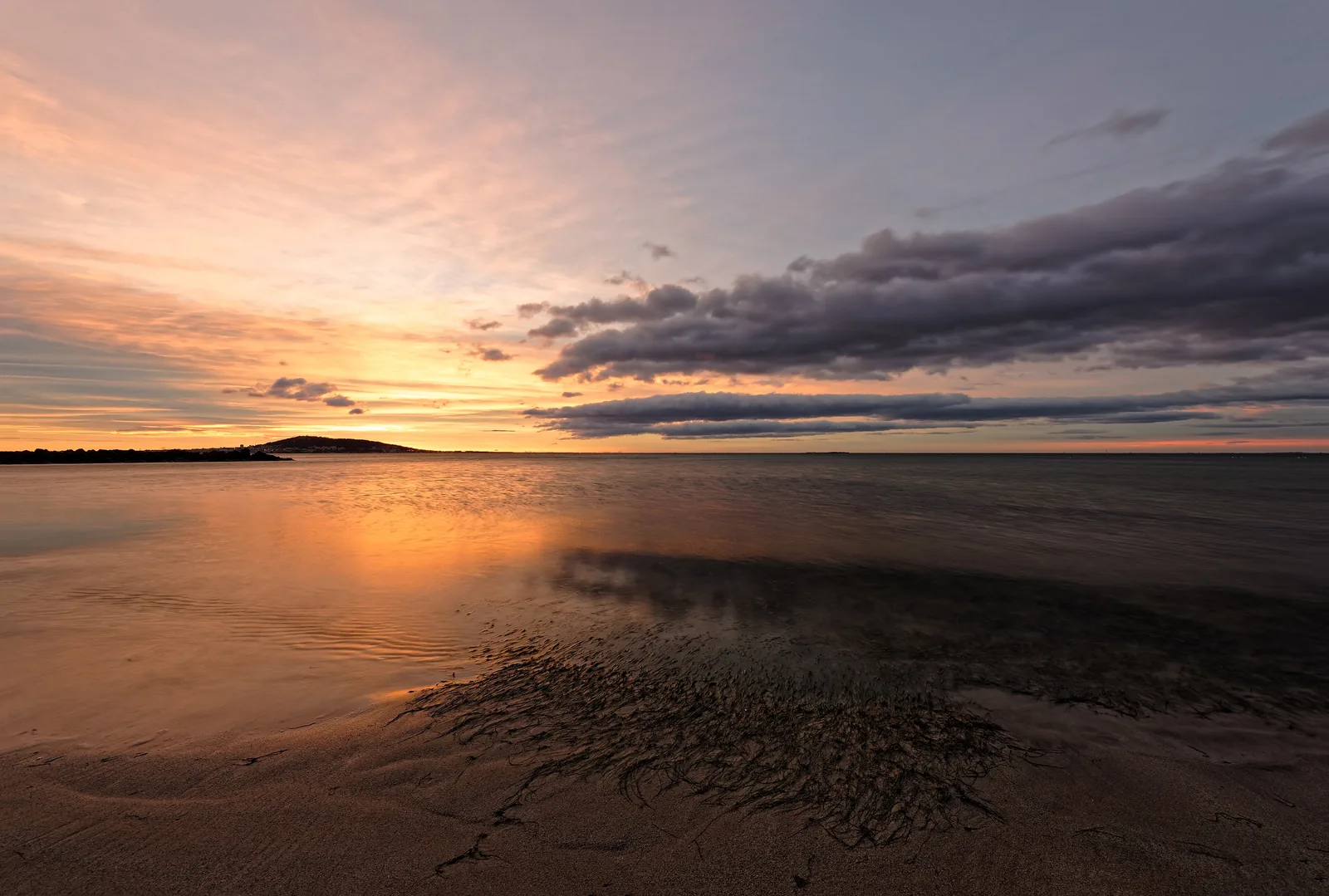
Three moments of light on the Etang de Thau, in the late season
Dawn, the mid-afternoon backlight, the blue hour: three appointments with the light that justify a late-season stay.
Read the article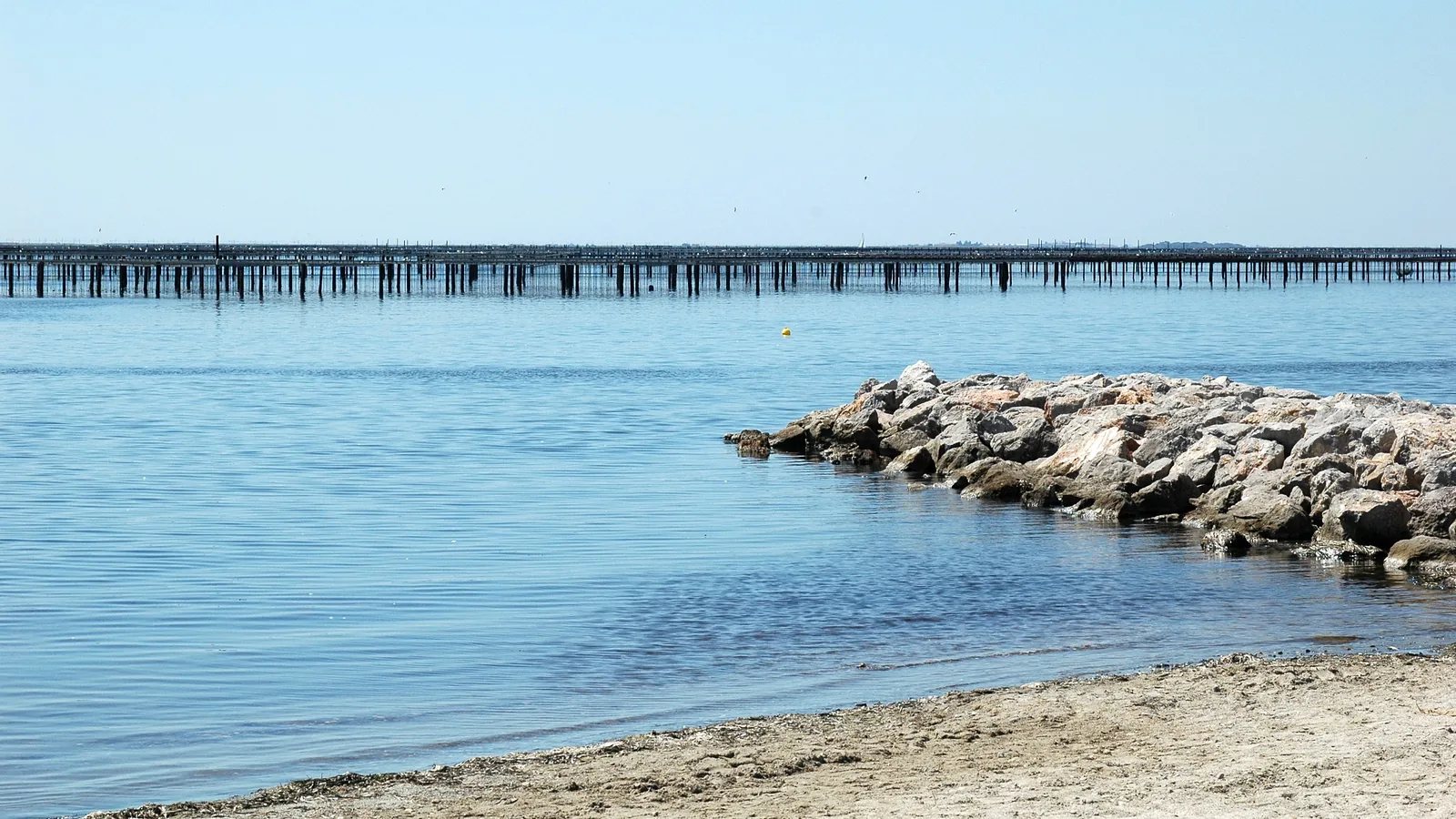
The idea gets around: outside July and August you would come to the Mediterranean by default, for the price, with a watered-down season as compensation. We hear the sentence often at booking time, and it deserves to be taken seriously rather than waved away. Here is what it gets right, and the three reasons September, October and November are, for many of our stays, the best time of the year.
Let us say it straight away: some things really do close. The beach shacks come down at the end of September, some watersports centres cut their slots, and a few harbour restaurants take their holidays in November. The days shorten fast, the blue hour falls at half past five by late November, and the tramontane blows for days at a time.
So an off-season stay that tries to reproduce an August one will disappoint. It becomes interesting the moment you accept that it is something else.
This is the fact visitors know least, and the most concrete. The lagoon is shallow, it stores heat all summer and gives it back slowly. As a result it stays mild long after the air has cooled, and it is more pleasant in October than in early June, when the sea is only just out of winter.
For a stay, that changes the programme: the morning paddle, swimming, kayak outings all remain possible into early November some years. The wind gets up later than in summer, which lengthens the window of flat water in the morning.
In August, Bouzigues, Mèze and Marseillan belong to visitors. From mid-September they are returned to the people who live there, and it is not the same experience. The shellfish farms serve without a wait, the Sète market halls find their rhythm as a town market again, and you can park.
The estate follows the same movement: a hectare of pine grove in August is a pleasant place, in October it is a silent one. Evenings outside run longer than people expect, because the stone holds the day's heat and the mosquitoes have gone.
This point is seasonal and beyond argument: the Bouzigues oyster improves as the water cools. From October to March the flesh is full, and it is the period the growers themselves recommend. In August the oyster is milky, which not everyone enjoys.
The same logic holds for the table in general: the fish, the autumn vegetables, the year's first wines. We go through the addresses and the pitfalls in our piece on eating in Sète.
Three things make an off-season stay comfortable: a proper coat, because the damp off the lagoon goes straight through a thin jumper, shoes that do not mind dew, and whatever it takes to stay outside in the evening, which means a jumper and a blanket.
As for the programme, an off-season stay is built around three appointments with the light rather than around activities: dawn on flat water, mid-afternoon against the light, the blue hour. We describe them one by one in our piece on the light over the basin. In between, the basin is ordinary, and that is exactly right.
The off-season is not a cheaper summer, it is another season. The water is warmer than in June, the villages belong to the people who live in them, the shellfish are at their best and the light is worth the journey on its own. In exchange, the days are short, the wind blows and some shutters are closed. For anyone who accepts that bargain, it is the time of year people most often leave already looking for dates to come back.
Often, yes. The lagoon is shallow and gives back the summer's heat slowly: it is generally more pleasant in October than in early June. Paddleboarding and kayaking carry on into early November some years.
Days that are often mild and sunny, cool mornings and evenings, and spells of tramontane that last two or three days and clear the sky. A proper coat is useful from November on.
The shellfish farms, the Sète market halls, most town restaurants and the watersports schools, on reduced hours. The beach shacks, on the other hand, come down at the end of September.
Dawn, the mid-afternoon backlight, the blue hour: three appointments with the light that justify a late-season stay.
Read the article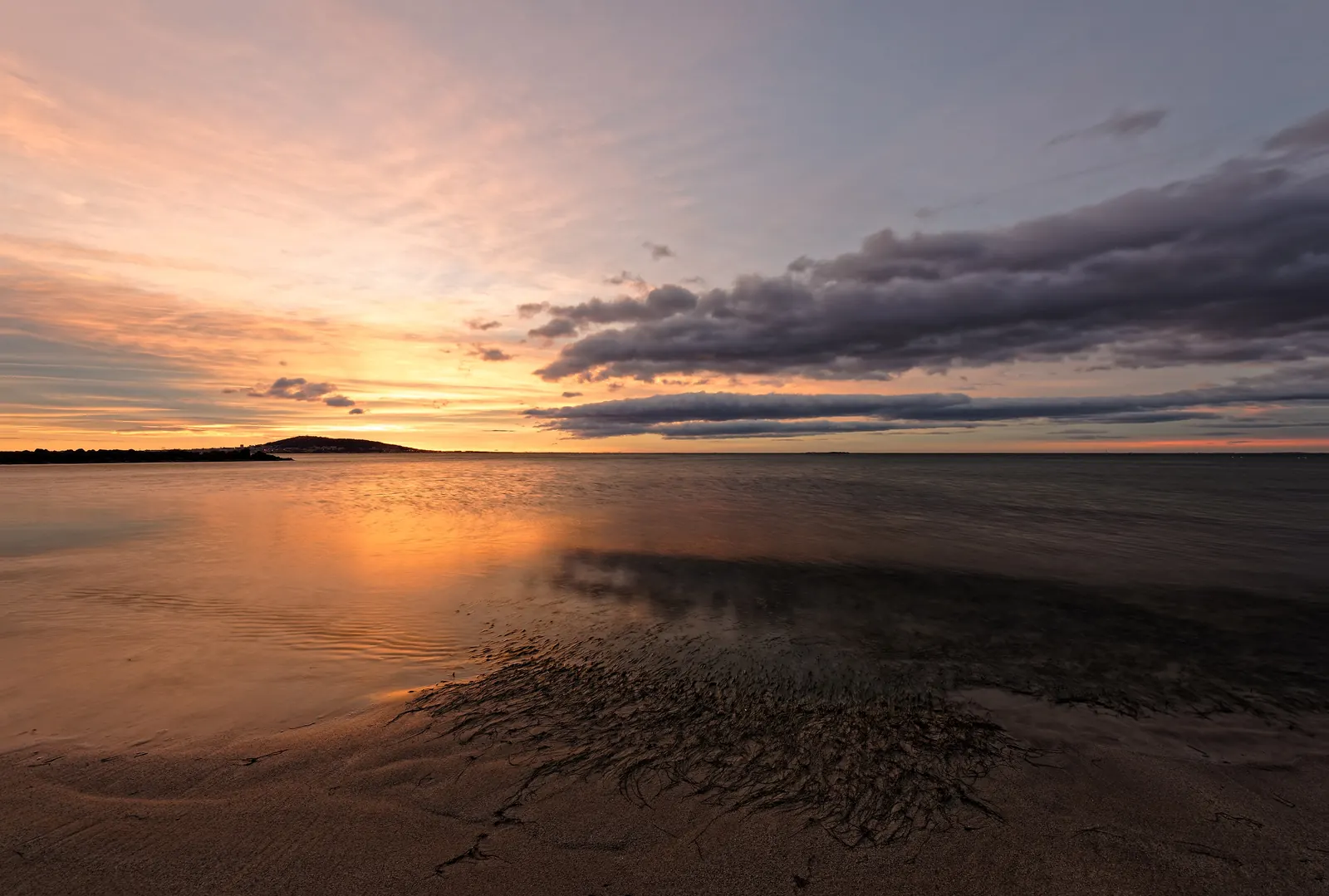
What separates a villa you visit from a villa you leave with regret: orientation, shade, short distances and places to be alone.
Read the article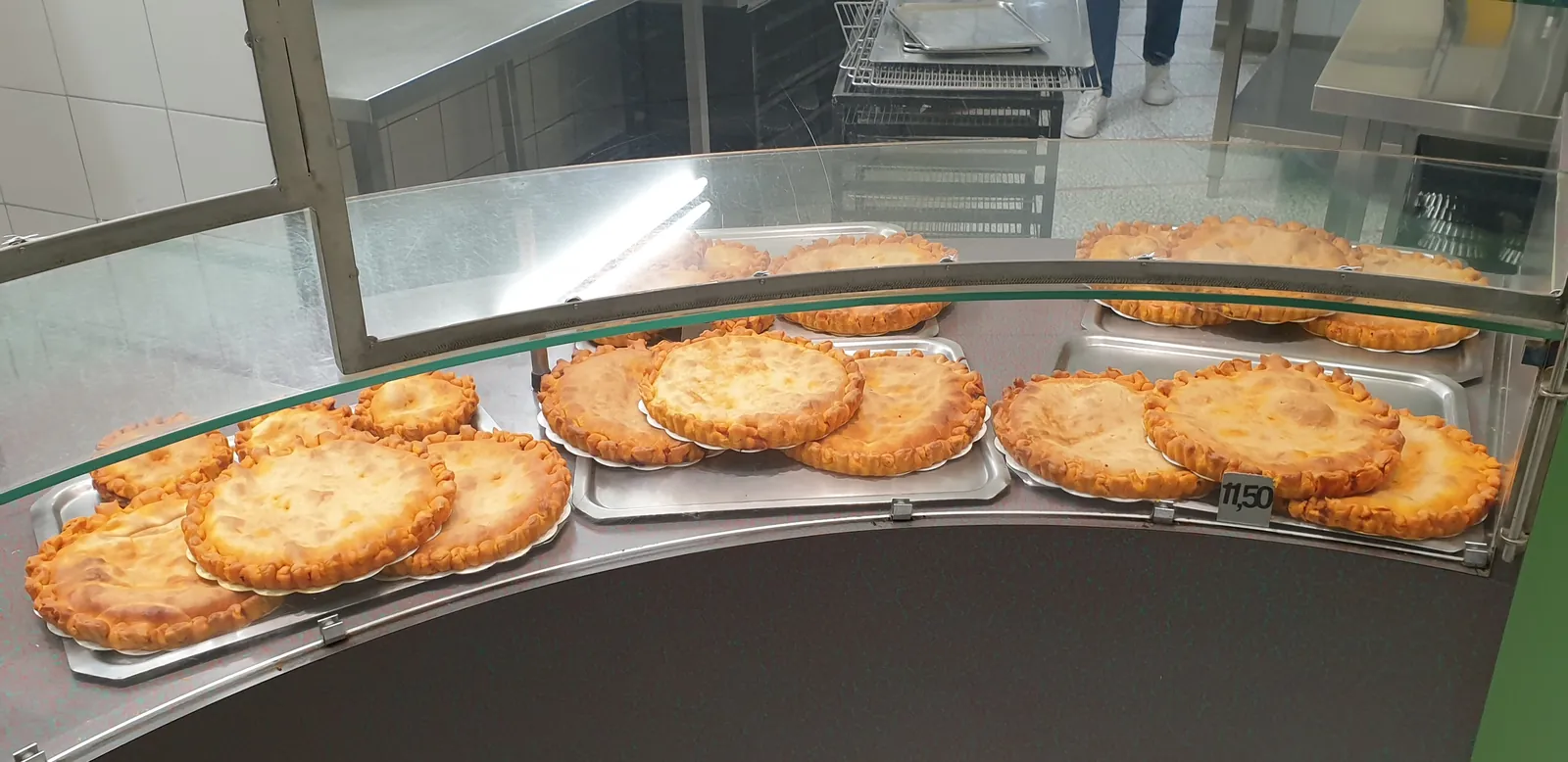
Quayside restaurants, oysters at the wrong time, the market too late: what the regulars do to eat well in Sète.
Read the articleThis site uses only functional cookies, which it needs in order to work. No advertising or tracking cookies are set. By continuing, you accept our privacy policy.
