

Stays
The first memory of a stay in Sète is almost always a taste
Oysters at the water's edge, the Sète market, the Bouzigues tables and the fishermen's dishes: where and how to eat around the étang de Thau.
Read the article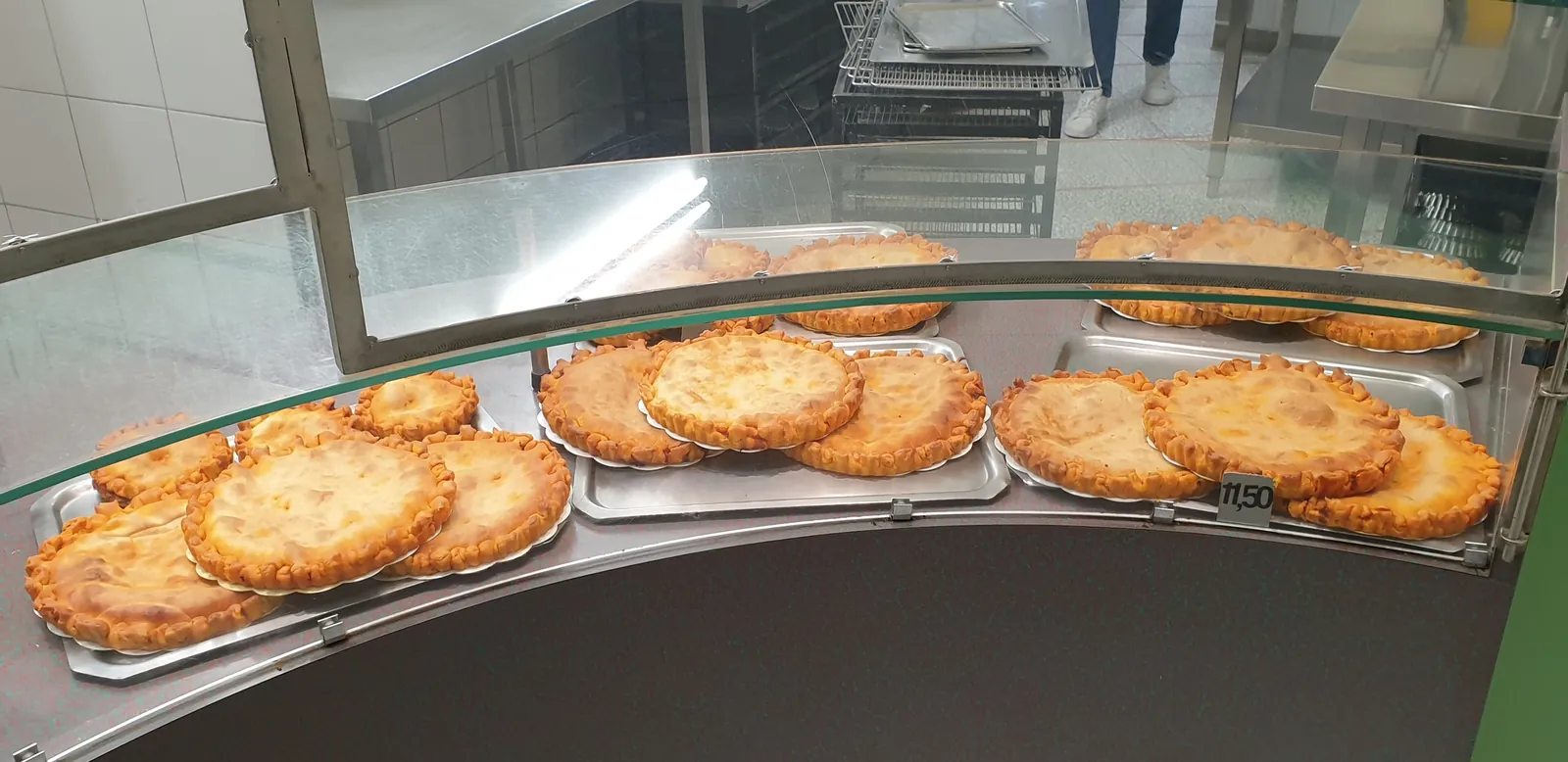
Sète has a cuisine of its own: shellfish taken from the lagoon that same morning, recipes you will not find anywhere else, a covered market where locals still do their shopping. And yet many visitors leave having eaten as they would in any Mediterranean port. Here are the mistakes behind that, and what the regulars do instead.
The terraces along the canal have their charm, and some are very good. But sitting at the first table you find, with a laminated menu in four languages, often means a generic dish with a view.
What our regulars do: they ask. Where the owner buys his fish, what came in this morning, what is not on the menu. And they do not mind walking a few streets away from the quay. On this, feel free to ask us.
The tielle, an octopus pie in a spicy tomato sauce, inherited from fishermen who came from Gaeta. The macaronade, pasta in a long-simmered tomato sauce with its « brageoles » (paupiettes) and aromatics, the traditional dish for Sundays and feast days. Bourride of monkfish, bound with aioli. Zézettes, small white-wine biscuits, to enjoy with your coffee.
What our regulars do: they try each one at least once, and know that tielle is just as good cold (lukewarm if possible), as a picnic by the water. We have already covered what to taste around the lagoon: this article is more about how to go about it.
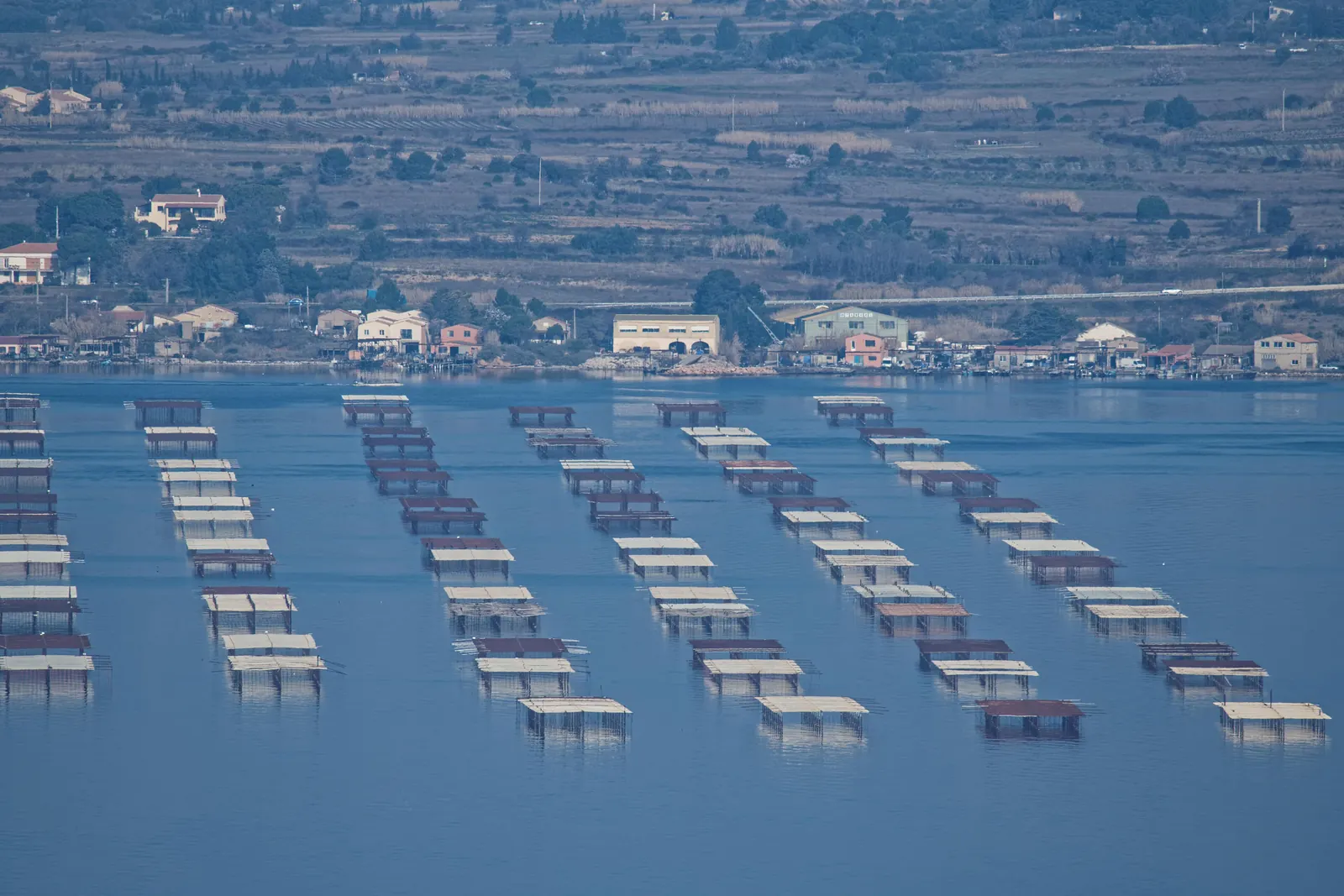
It is the most stubborn misconception. Oysters and mussels from the Etang de Thau are eaten all year round, and many people prefer them when the water cools: from autumn to spring, they are firmer and more briny. In summer, oysters are milkier, which not everyone necessarily enjoys.
What our regulars do: they make the most of the late season to taste them straight from a producer, in Bouzigues, Mèze or Marseillan. A dozen, a glass of picpoul de Pinet, the oyster tables out on the water: it is hard to get more authentic.
The covered market in Sète lives mainly in the morning, until 1 pm. Arrive late and you find half-empty stalls, the best fish gone, and traders packing up.
What our regulars do: they go early, have a coffee at the counter, and build the day's meal from what they find. A whole fish, the day's vegetables, some shellfish: after that, all you need is a plancha. On the estate, the pool house and its plancha are there... for exactly that.
The temptation is understandable: you arrive, you have read the lists, you want to try it all. Tielle for lunch, oysters before dinner, bourride in the evening, and by the next day you have no appetite left. Sète's cooking is generous, often rich, and it is best enjoyed in small doses.
What our regulars do: one speciality a day, no more. The rest of the time, simple things: grilled fish, tomatoes, bread, a goat's cheese from the Cévennes. It is that contrast that makes each dish memorable.
In a large house, whoever cooks every evening spends their holiday in the kitchen. On the other hand, going out for dinner as a group of fifteen every night is expensive, takes two cars and wears the children out.
What our regulars do: they alternate. One market evening cooked together, one evening at a restaurant, and one evening when a chef comes to cook local produce on site. That is often the one people remember.
Eating well in Sète depends less on an address than on a rhythm: the market in the morning, shellfish from the producer, one speciality a day, and one big dinner you do not cook yourself. The rest takes care of itself, especially in the late season, when the lagoon settles back into its own pace.
All year round. Many people prefer them from autumn to spring, when the water is colder and the flesh firmer: the late season is a very good time.
Yes. Our partner private chefs and caterers come to the estate, for one meal or for several.
At the covered market in Sète, in the morning, and directly from the shellfish farmers around the lagoon, in Bouzigues, Mèze or Marseillan.
Oysters at the water's edge, the Sète market, the Bouzigues tables and the fishermen's dishes: where and how to eat around the étang de Thau.
Read the article
Paddleboard, kayak, sailing and oyster tables: what the étang de Thau looks like from the water, and when to go out to see it at its best.
Read the article
Shopping, beds, the first dinner: five oversights that turn arrival day into a chore, and how to settle them before you leave.
Read the articleThis site uses only functional cookies, which it needs in order to work. No advertising or tracking cookies are set. By continuing, you accept our privacy policy.
