

Stays
Eating local in Sète, without missing what matters
Quayside restaurants, oysters at the wrong time, the market too late: what the regulars do to eat well in Sète.
Read the article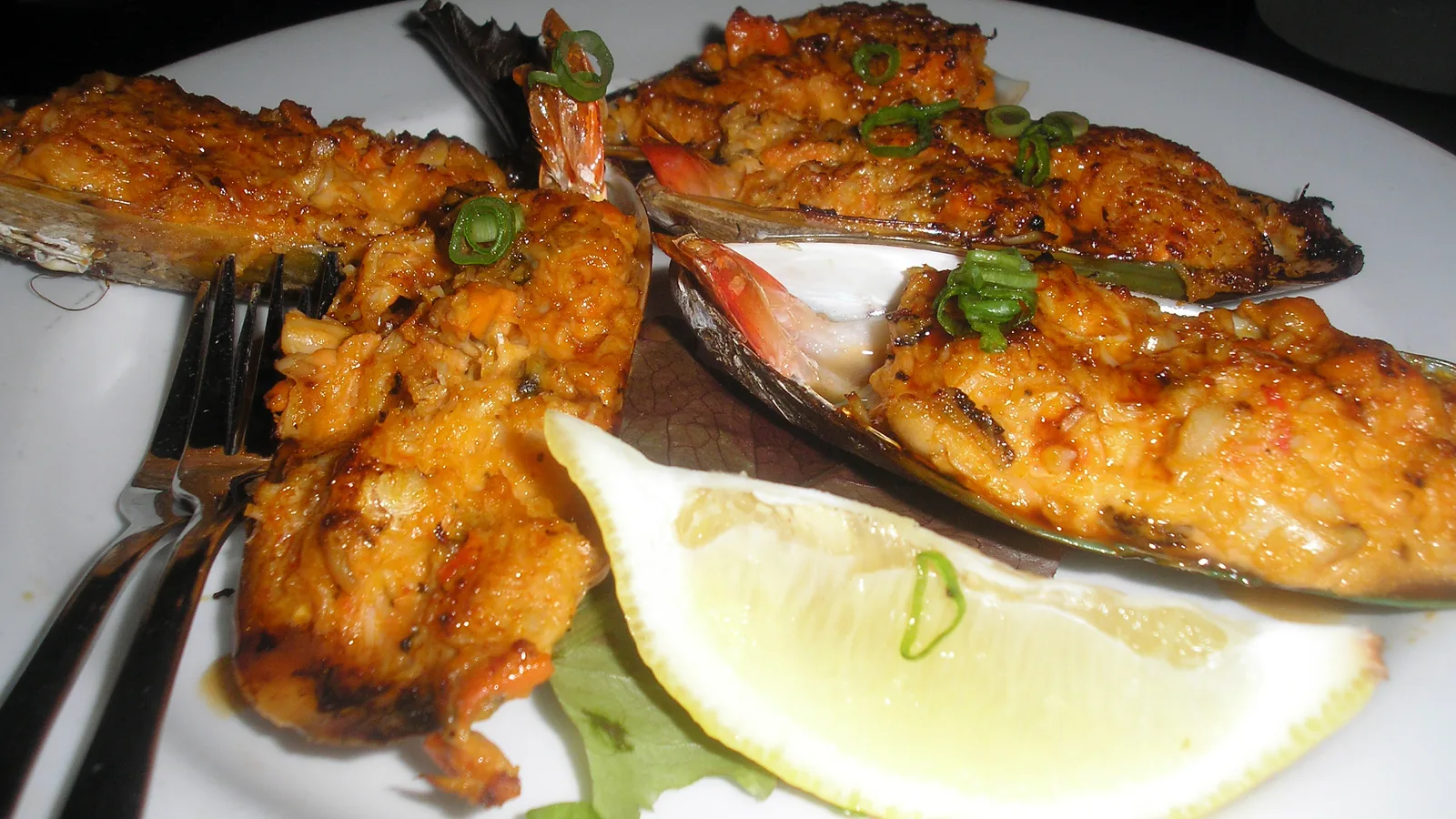
Feeding fifteen people on holiday turns into logistics fast: a list, a supermarket, a trolley, an hour and a half. The basin offers something else. Between the Sète market halls, the shellfish farms and the village stalls, three complete meals come together in a single visit, and they ask for little or no cooking. Here they are, with what to buy, what to have at the house, and what the regulars do.
It is the simplest meal on the basin and the most striking on a table. It comes together in twenty minutes and keeps nobody in the kitchen, which makes it the natural candidate for the evening you arrive.
What to buy: Bouzigues oysters, six to eight a head depending on appetite, mussels from the lagoon, and whatever the stall has besides: violets, whelks, a few prawns. One lemon per two guests. Rye bread. A bottle of Picpoul de Pinet for every four.
What to have at the house: one or two large dishes, crushed ice or failing that ice packs, an oyster knife and a thick cloth. Salted butter, shallot vinegar if someone insists.
What the regulars do: they have the oysters opened at the farm, to order, and leave with the platter already arranged. It costs little and changes the evening: nobody spends forty minutes fighting a knife while the others are at the table. Producers also deliver to the estate, which removes the journey altogether.
This one is eaten cold or warm, at any hour, and it suits the days when the group drifts back from the beach in ones and twos. It can be topped up as people arrive.
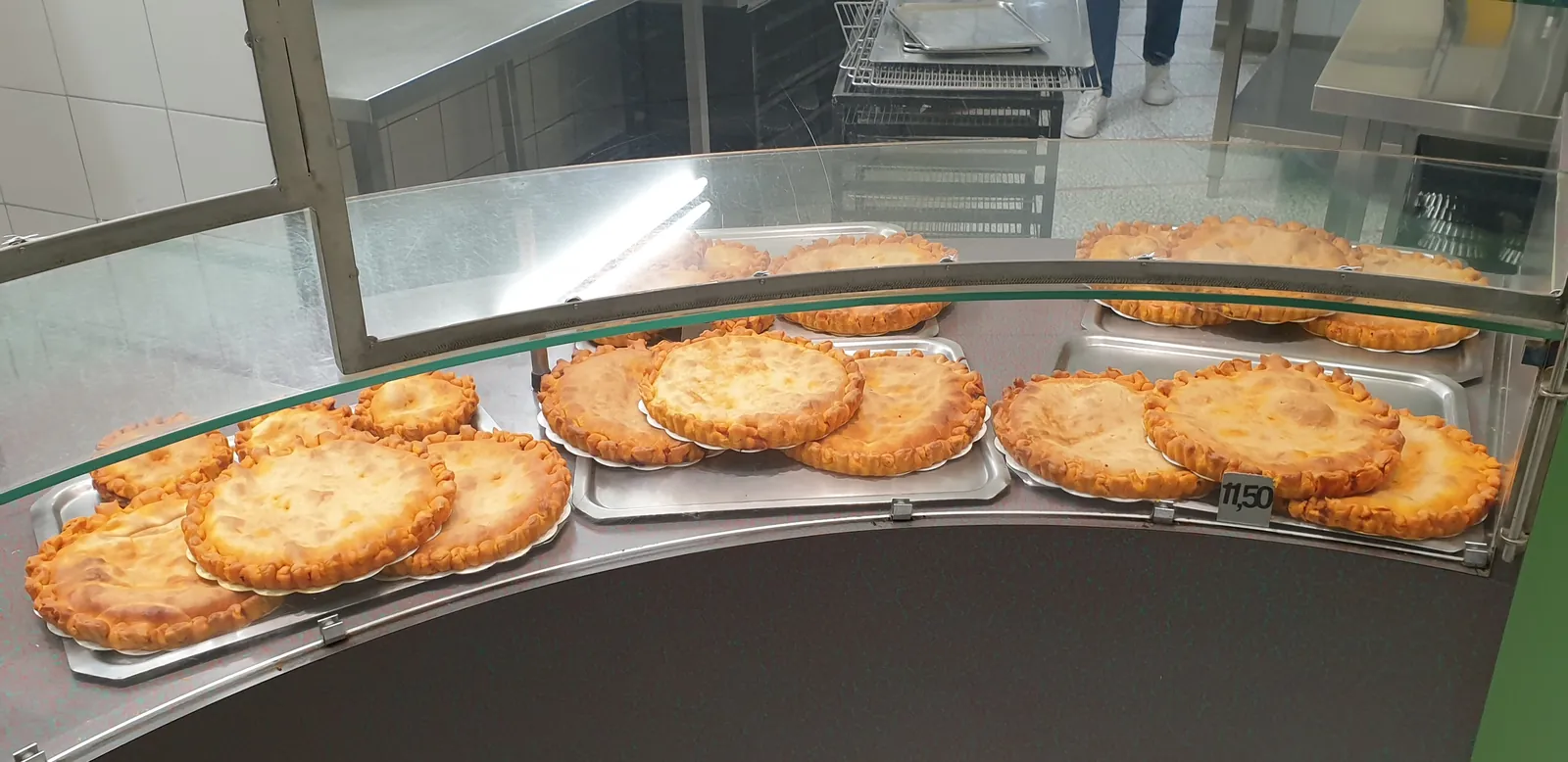
What to buy: tielles sétoises, one a head for a proper lunch, one between two alongside something else. Charcuterie from the hinterland, a pélardon or a sheep's cheese, lucques olives, tomatoes if the season allows, and bread from the halles. Picpoul again, or a rosé des sables.
What to have at the house: one or two large boards, a knife that cuts, and some shade. Nothing else.
What the regulars do: they buy tielles from a baker rather than a supermarket, and they buy one more than they need. They are very good cold the next morning, which settles breakfast for the late risers. We go through the addresses and the pitfalls in our piece on eating in Sète.
This is the meal that impresses most for the least effort. A good-sized fish in the oven or on the plancha feeds eight and takes twenty-five minutes to cook.
What to buy: a gilthead bream, a sea bass or a meagre of three to four kilos for eight guests, two fish for sixteen. Fennel, lemons, potatoes, Languedoc olive oil.
What to have at the house: an oven big enough, or a plancha, and a dish that takes heat. Coarse salt if you attempt a salt crust, which needs no special equipment and forgives a great deal.
What the regulars do: they have the fish scaled and gutted at the stall, and they ask the fishmonger for the cooking time at that exact weight. The answer is always shorter than people expect. They also buy the day before: a whole fish keeps overnight in the cold without losing anything.
Thirty minutes holds together as long as you never double back. The order that works:
The covered halles in Sète open early and empty out towards noon. Between eight and ten the stalls are full and the aisles passable, which makes all the difference when you are buying for fifteen.
Three meals, one visit, no complicated recipe. The shellfish platter for the evening you arrive, the board for the staggered lunch, the whole fish for the meal where everyone is there. Together they cover half a week, and they leave the kitchen alone, which remains the best service anyone can do a group on holiday.
Bouzigues oysters and lagoon mussels for a platter that needs no cooking, tielles sétoises for a cold board, and a whole fish of three to four kilos for eight guests. Those three purchases cover three complete meals.
Between eight and ten in the morning. The stalls are full, the aisles stay passable and parking is still possible, which matters when you are shopping for fifteen.
Yes. Producers around the basin deliver to the estate and can supply oysters already opened and arranged on a platter. It is the simplest option for an arrival evening.
Quayside restaurants, oysters at the wrong time, the market too late: what the regulars do to eat well in Sète.
Read the article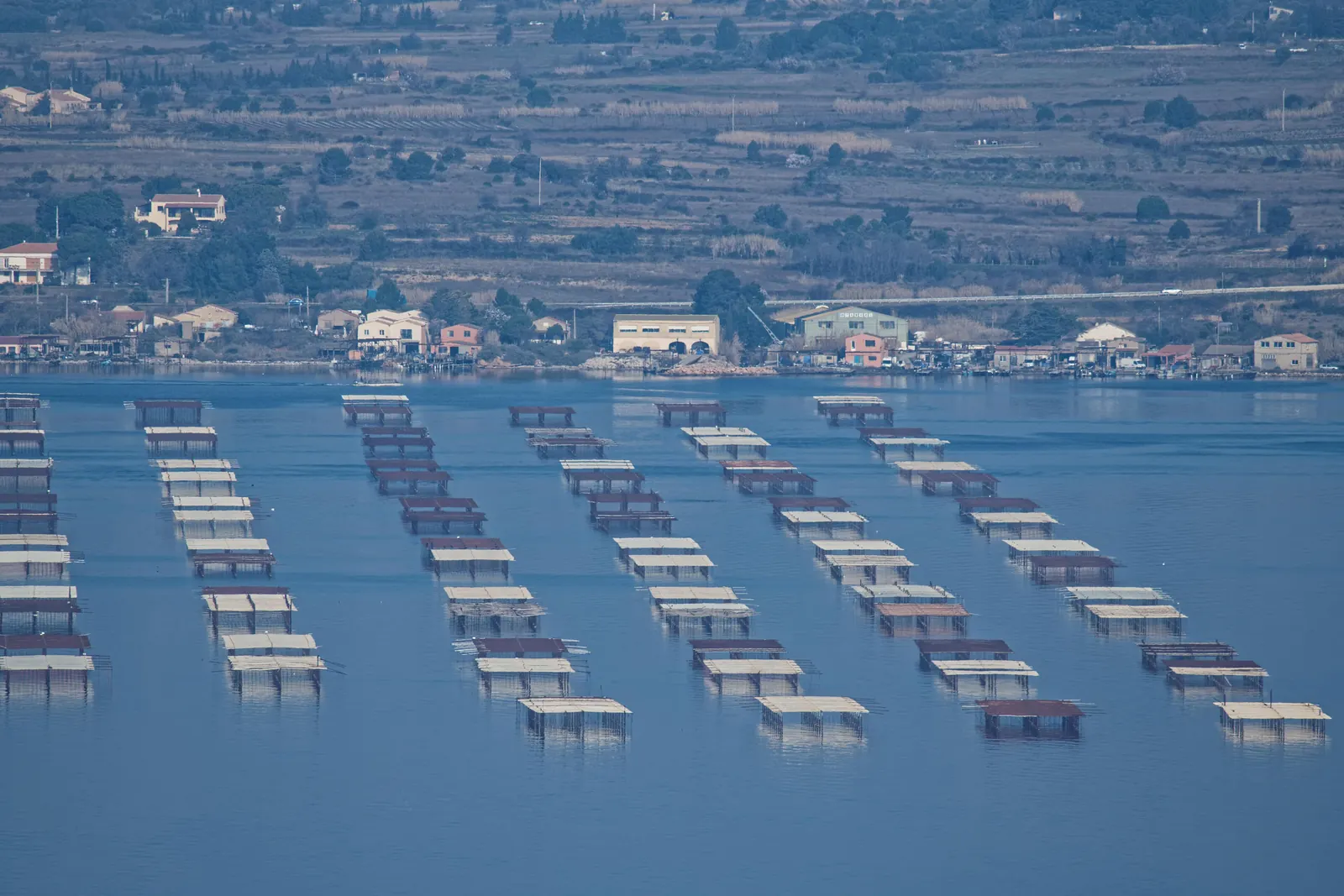
Oysters at the water's edge, the Sète market, the Bouzigues tables and the fishermen's dishes: where and how to eat around the étang de Thau.
Read the article
Shopping, beds, the first dinner: five oversights that turn arrival day into a chore, and how to settle them before you leave.
Read the articleThis site uses only functional cookies, which it needs in order to work. No advertising or tracking cookies are set. By continuing, you accept our privacy policy.
