

Business
Feeding your teams, the item that decides the day
Why lunch decides half of an offsite day, how the format shapes the afternoon, and how to plan catering that keeps the day alive.
Read the article
In most offsites, lunch is an interruption: you stop, you eat, you start again. Yet it takes an hour and a half out of a day that holds eight, and it is the only moment when participants choose for themselves who they sit next to. Three formats are enough to make it something else, and none of them costs more than a delivered lunch box. Here is how each one runs, what it asks for, and what it changes about the afternoon.
One large platter of shellfish from the basin in the middle, boards of charcuterie and cheese around it, and nobody seated. The group moves around the table for forty-five minutes.
How it runs: the Bouzigues oysters arrive opened and arranged, delivered by the producer. Salad, bread and Picpoul fill in the rest. Nothing is plated, so nothing fixes the seating.
What it asks for: a high table or a cleared garden table, shade, and an order placed forty-eight hours ahead. Plan a properly built alternative for anyone who would rather leave the shellfish aside, served in the same shared way rather than as an individual plate, otherwise the format works against its own purpose.
What it changes about the afternoon: it is the lightest of the three. People eat less than they would seated, they move, and the two o'clock restart happens without the dip described in our piece on offsite catering. It is the one we suggest when the afternoon session is the most important of the day.
A single long table, everybody on it, outdoors if the season allows. The opposite of the hotel restaurant where a group settles into islands of six.
How it runs: served at the table, one dish circulating, and a seating plan prepared in advance that mixes the departments. Lunch runs an hour and a quarter, announced as such.
What it asks for: a table long enough, which is rarer than it sounds and worth checking before booking a venue. Shade between May and September. And someone willing to own the seating plan, because nobody does it spontaneously.
What it changes about the afternoon: the conversation stays shared, and people who work together without ever crossing paths end up side by side. It is the format with the most effect on a group that has just taken on new joiners or merged two teams.
The produce arrives raw or close to it, and the group assembles it. One hour, no more, overseen by the partner chef who preps beforehand and stays on hand.
How it runs: trays of produce from the basin, a few things already prepared, and each person builds a plate or takes on one short step. It is less a cookery workshop than a meal whose setting up is shared.
What it asks for: a work surface away from the meeting room, water points, and a chef willing to take that role. Allow a little more time than for a standard service, and say so in the programme.
What it changes about the afternoon: hierarchy fades for an hour, for the same reasons an outing on the water does: competence gets redistributed, and the person who knows how is rarely the one you expected. It is the most exposed format if the group is pressed for time, and the most memorable if it is not.
None of them rests on refinement in the kitchen. All three rest on the same mechanism: removing what assigns the seats. Plated service, tables of six and a buffet queue all produce the same result, the office one, because everyone settles in with the people they already know.
Local produce plays a practical part here rather than a decorative one. A platter of shellfish from the basin or a whole fish shares naturally, serves from the middle, and gives a reason to talk to people who have no other. Three standardised individual plates do not.
The standing platter when the afternoon matters, the single table when the group needs mixing, the assembled lunch when time allows. In all three cases the spend looks like a delivered lunch box, and the day stops looking like the same day. What is really at stake on this budget line, we set out in our piece on false economies.
Forty-five minutes for a standing platter, an hour and a quarter for a single table, an hour and a half if the group takes part in setting up. The important point is announcing the length at the start rather than cutting it short along the way.
Yes, provided a properly built alternative is planned and served in the same shared way. Diets and preferences are collected at registration and passed to the caterer in one go.
Often, yes. Between September and November the days stay mild on the basin, and it is one of the periods when the outdoor table is at its most pleasant. A covered fallback is planned when you book.
Why lunch decides half of an offsite day, how the format shapes the afternoon, and how to plan catering that keeps the day alive.
Read the article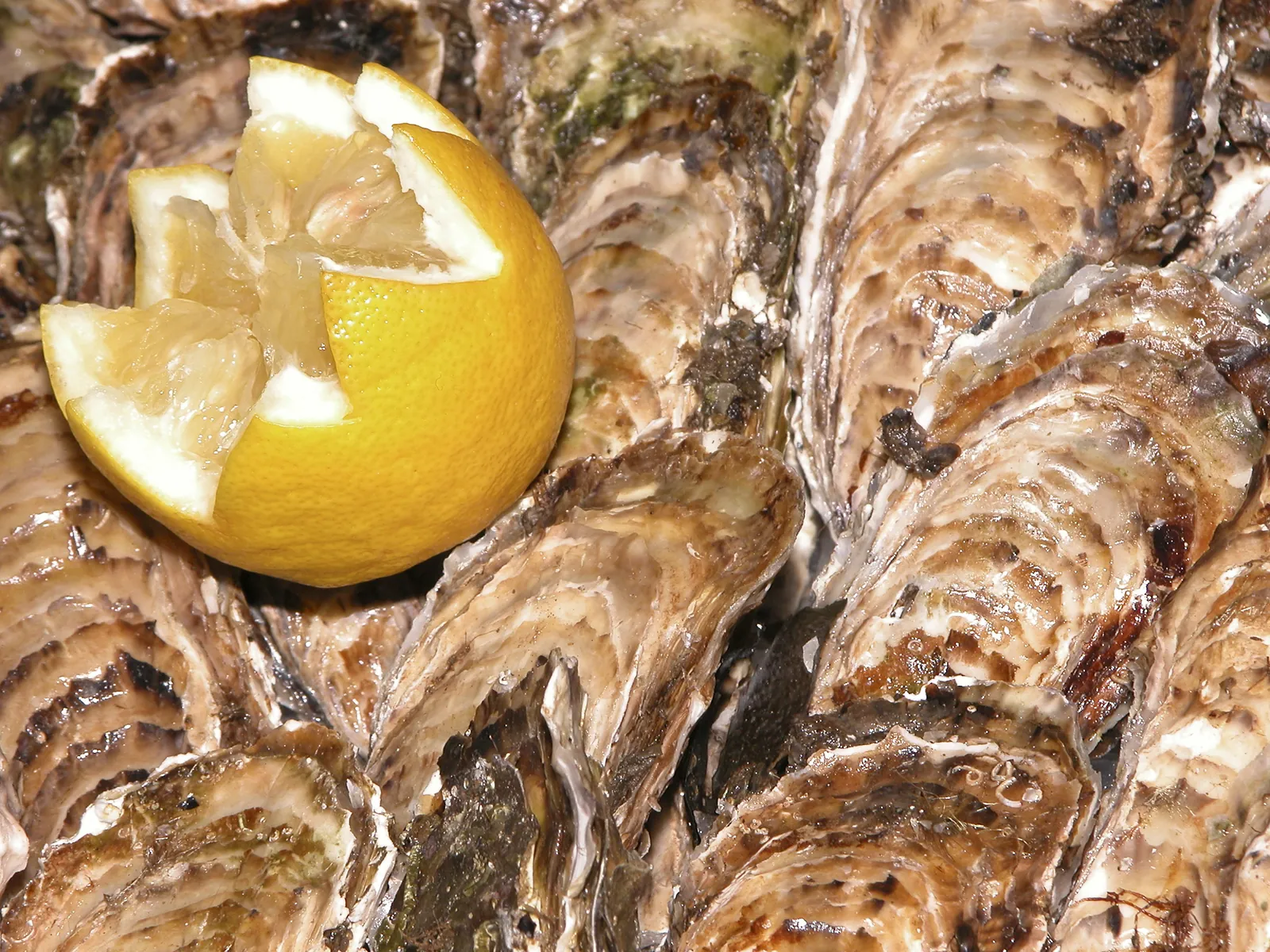
Boxed lunches, cold buffets, a caterer chosen on price alone: what false savings on offsite meals really cost.
Read the article
Why an offsite held away from the office produces different conversations, and the five practical conditions worth having in place.
Read the articleThis site uses only functional cookies, which it needs in order to work. No advertising or tracking cookies are set. By continuing, you accept our privacy policy.
