

Business
Feeding your teams, the item that decides the day
Why lunch decides half of an offsite day, how the format shapes the afternoon, and how to plan catering that keeps the day alive.
Read the article
When an offsite budget gets tight, catering is often the first line to be trimmed: it is the easiest to reduce, and its effect does not show on the quote. It shows elsewhere, in the room at 2.30 pm, in the evening conversations and in what teams say when they get home. Here are the most common false savings, and what they really cost.
On a residential offsite, meals weigh little next to accommodation, travel and the working time involved. But they take up an outsized place in what participants remember. People quickly forget the layout of the room, rarely a bad dinner, and even less a good one.
That gap is what makes the saving misleading: you gain a few euros per person on the most visible line, and pay for it on the one that appears nowhere, engagement.
They cost less, arrive on time, and mean the morning does not have to stop. Above all, they stop the break from doing its job. Eaten at the meeting table, between two laptops, lunch extends the session instead of restarting it, and the afternoon begins without anyone having caught their breath.
Instead: a light working lunch, served at the table, outdoors whenever the weather allows. An hour, no more, but a real break.
Practical for the caterer, convenient for the schedule, it makes everything the same. Three days of mixed salads and cold cuts tell participants that the venue was chosen with care, but not the rest.
Instead: vary the formats. A simple hot lunch, a seated dinner, a more festive meal to close. The total budget barely moves; the perception changes completely.
Two quotes, you take the cheaper one, and discover on site produce of unknown origin, timings set by the supplier, and nobody to adjust when the programme slips by half an hour.
Instead: compare quotes on what they contain. Where the produce comes from, who cooks, who serves, and who decides whether lunch should be moved. We covered how meals shape the course of a working day in an earlier article.
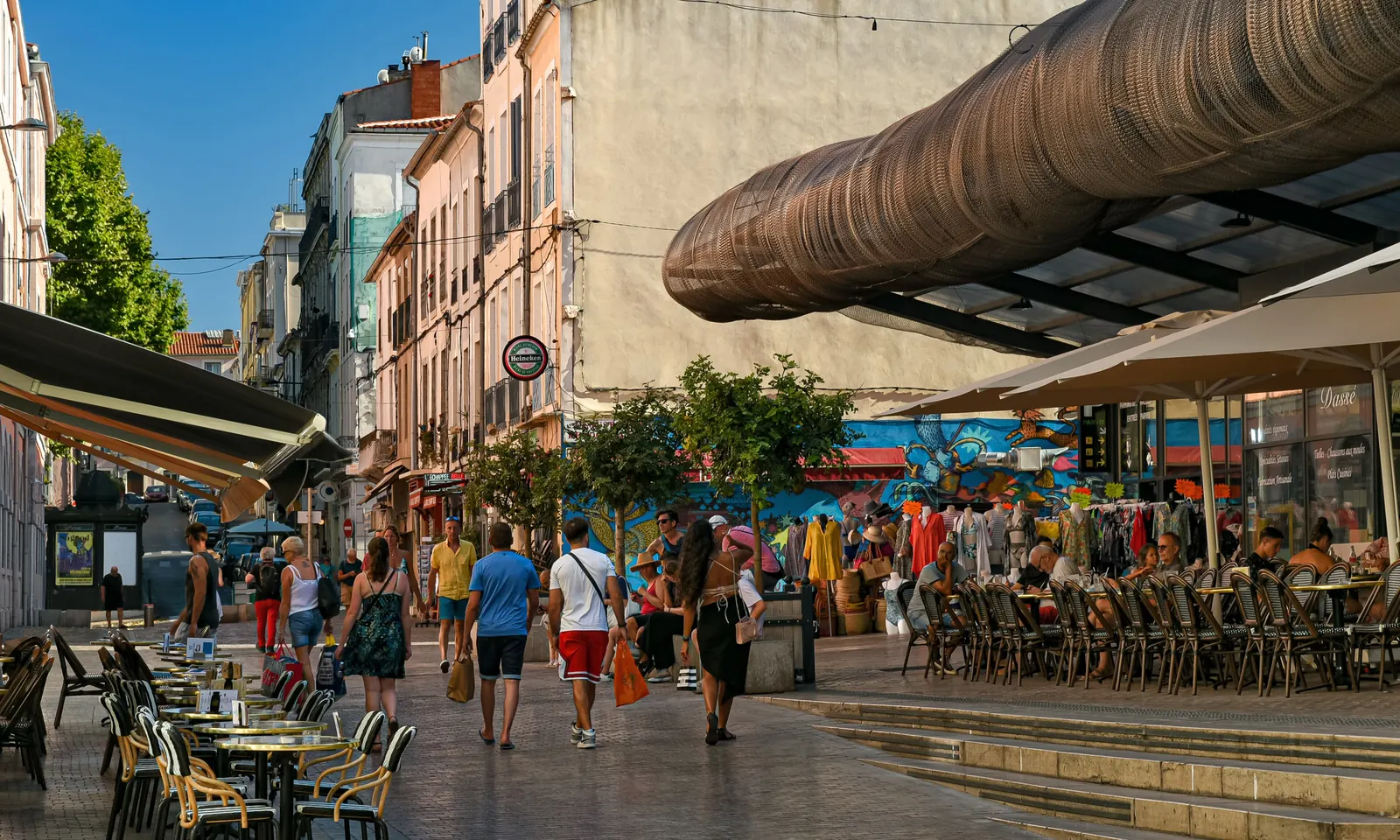
To save an hour, it is served quickly, cut short, and everyone goes back to the room. Yet it is the moment when teams talk to each other differently, and the one that stays. Taken on a terrace facing the lagoon, around local produce, it often becomes the memory of the whole offsite.
Instead: treat it as a session in the programme, with its own time slot, length and purpose.
A good supplier does not guess what is expected. Before comparing quotes, it is worth giving them five pieces of information in writing:
A quote built on these elements can really be compared. Two quotes built on "lunch for twenty" can only be compared on price.
At Les Bergeries de Sète, meals can be provided by a private chef who has worked in a starred restaurant in Montpellier, a restaurateur from Sète's fish market, la Criée, or a partner caterer from Sète we have worked with for several years, all of whom come on site (breakfasts, working lunches and the closing dinner). They cook produce from the Thau basin, shellfish and Mediterranean fish, vegetables from neighbouring growers, and adapt to your programme's timings. Dietary requirements are collected at registration and passed on in writing. And your single contact coordinates it all, as for the rest of the organisation.
By playing on formats rather than on produce: a light hot lunch, a seated dinner, a single more festive meal. The budget stays contained and each meal keeps its role.
The programme and its timings, the number of participants, the diets and allergies collected at registration, and the format wanted for each meal. Ideally at least a week ahead.
Yes, on the estate's terraces whenever the weather allows, which is often the case in September and October by the lagoon.
Why lunch decides half of an offsite day, how the format shapes the afternoon, and how to plan catering that keeps the day alive.
Read the article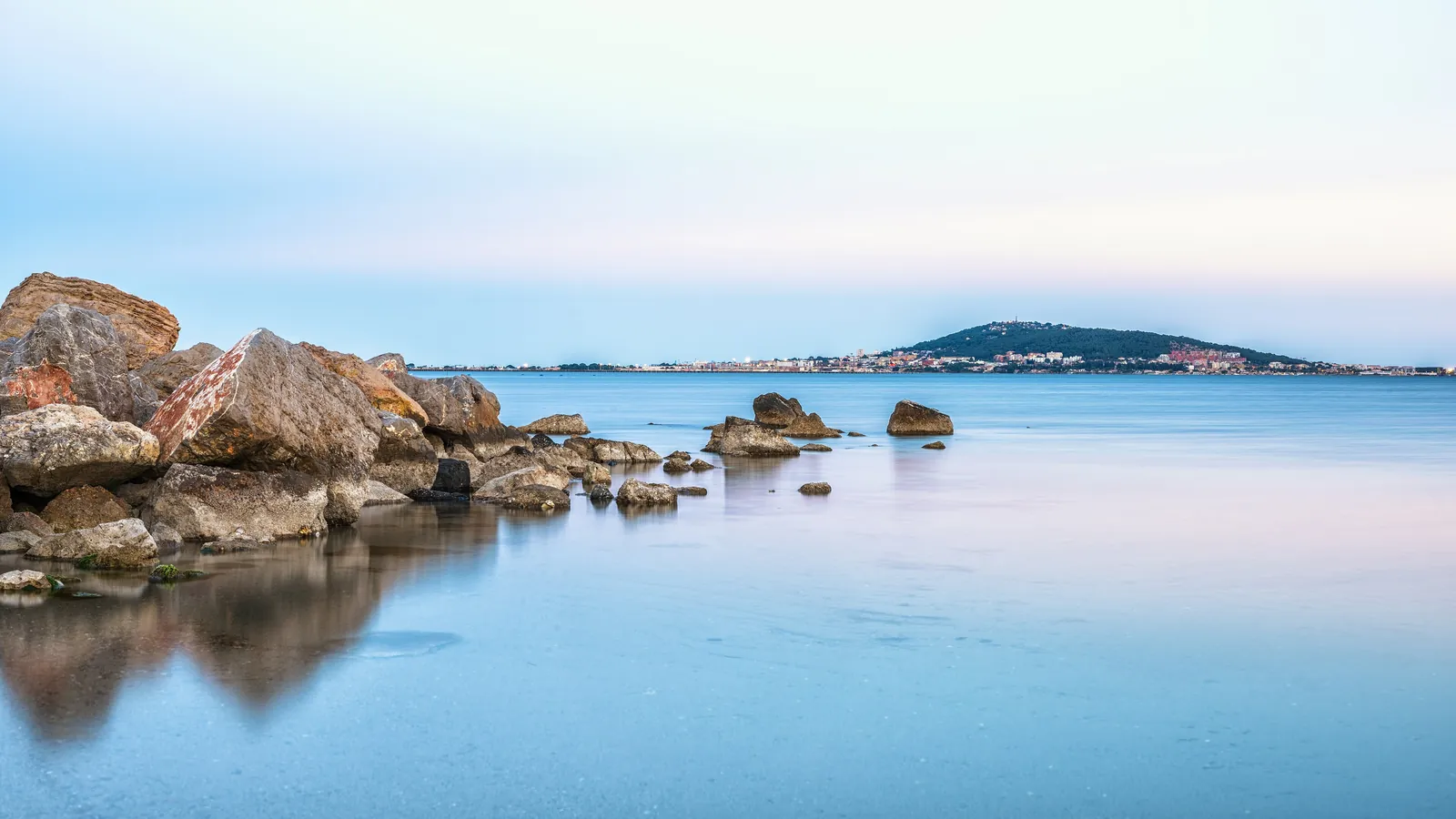
Access, beds, meals, an overloaded schedule, too many contacts: the five mistakes that turn a country offsite into a headache.
Read the article
How to cost a corporate offsite line by line, where the real trade-offs are, and how to defend the budget in front of a finance department.
Read the articleThis site uses only functional cookies, which it needs in order to work. No advertising or tracking cookies are set. By continuing, you accept our privacy policy.
