

Business
What an offsite away from the office changes in the conversation
Why an offsite held away from the office produces different conversations, and the five practical conditions worth having in place.
Read the article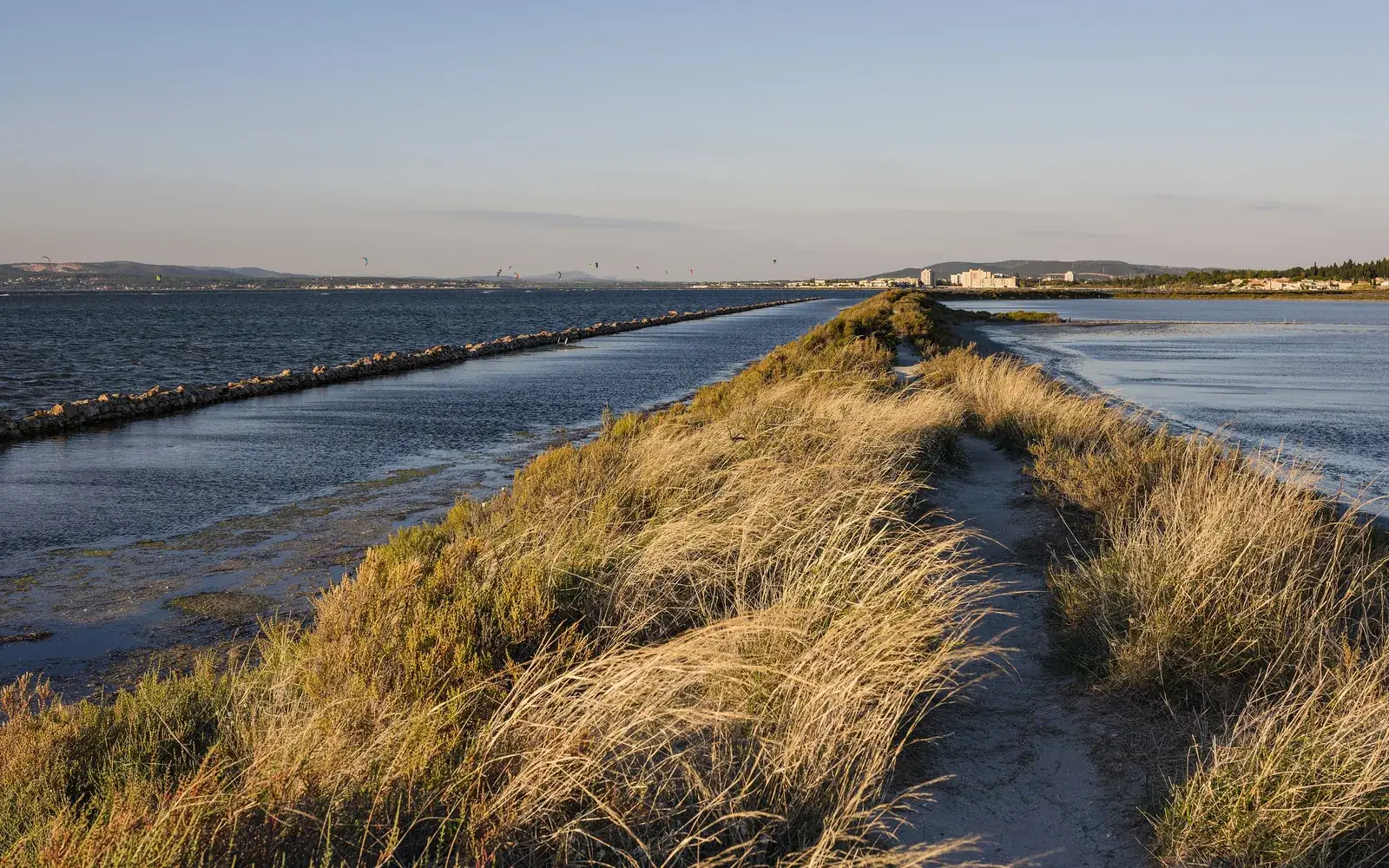
An offsite at an estate by the water almost always begins the same way: everyone admires the view for ten minutes, then you go inside, close the door, plug in the projector, and the setting serves no purpose for the next two days. A fine place produces nothing on its own. Here are three ways to put it to work from the first hour, and what each one requires.
The first hour of an offsite is traditionally the thinnest. People introduce themselves, everyone listens to twenty colleagues say much the same thing, and the group settles into the posture of an audience it will not easily leave.
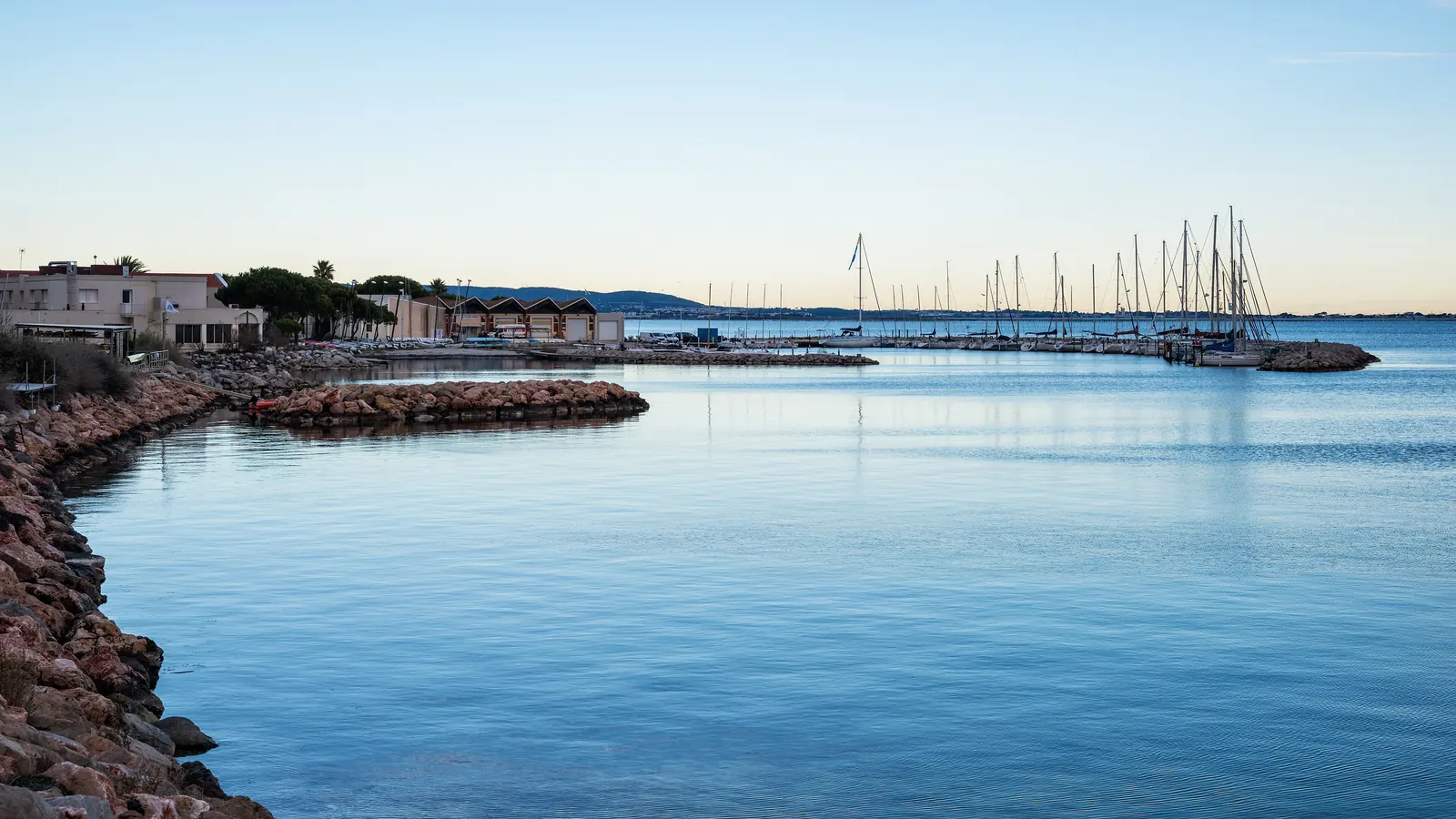
Another way to go about it: announce one question, put people into pairs, and send everyone out walking for forty minutes. A hectare of pine wood, a path along the lagoon, and nobody needs a map. The rule is simple: the two people in a pair do not work in the same department, and each one talks for twenty minutes while the other listens.
The question itself needs preparing: "What is slowing us down most at the moment that nobody says in a meeting?" works better than "what are your expectations".
Why it changes what follows: walking side by side removes the face-to-face and the hierarchy of the round-table. People speak more frankly to someone looking straight ahead. And on the way back the group is not an audience: it is ten pairs who each have something to report. The debrief takes twenty minutes and resembles no other.
What it asks for: a starting point and a stated return time, water, and footwear mentioned in the invitation. Nothing else.
The opposite mistake exists too: wanting to do everything outside. In sun or wind, a production workshop with documents and screens degrades fast. Paper blows away, nobody can see the flipchart, and everyone is back indoors within twenty minutes.
Another way to go about it: pick the one workshop whose format can take the outdoors, and only that one. Typically the one that produces ideas rather than decisions: a divergent phase, a wall of problems, a prioritisation exercise with stickers. Decision workshops stay inside, around a table, with a screen.
The set-up matters as much as the place: standing, vertical surfaces, walls or movable panels to stick things on, and markers that cope with wind. A low table does not work, because everyone ends up sitting down.
When to place it: mid-afternoon on the first day, exactly when a meeting room turns heavy. Going out then gives the group back an hour it would have lost, and it is the same effect we described in writing about an offsite away from the office.
What it asks for: shade, usable walls or panels, an indoor fallback in case of tramontane, and sticky dots rather than sticky notes, which fly away.
The water activity is almost always scheduled for the last afternoon, as a reward. That is the worst moment: the group is tired, half of them are thinking about the train, and the effect on the work is nil, since there is no work left to do.
Another way to go about it: put it at the end of the first morning or the start of the first afternoon. On a lagoon the water is flat in the morning and the wind gets up afterwards, so the technical timing and the useful timing say the same thing. An hour and a half of paddleboarding or light sailing, and the group comes back in a different state: people have watched each other cope, talk, ask for help. That is what we set out in writing about team building on the Etang de Thau.
What is really at stake, in practice: not athletic performance but mixing. A session on the water redistributes roles faster than a workshop, because seniority is no use out there. The following two days feel the difference.
What it asks for: instructors, a two-hour slot door to door, and a dry alternative for those who would rather not go, who always exist and should not be left alone on the shore. From the estate the launch point is on site, which removes the transport and makes the slot realistic.
None of them calls for an extra facilitator, an activity budget or special equipment. They do, however, have to be decided beforehand, because they affect the running order: the sequence of sessions, the time of the water slot, the invitation that mentions footwear. A natural setting cannot be improvised on the day; it has to be built into the schedule.
And they assume a place where everything is on site. As soon as transport is needed to get outside, a forty-minute walk becomes a half-day excursion, and nobody puts it at the start of an offsite any more.
The setting only works if the programme leaves room for it: a walk in pairs instead of the round-table, one workshop outdoors in the middle of the first afternoon, the water session on day one rather than day two. The rest of the time you work inside, and that is perfectly fine.
Photo: Christian Ferrer, CC BY 4.0, via Wikimedia Commons
Yes, for sessions that produce ideas, standing, with vertical surfaces and shade. Decision workshops and anything that needs a screen stay inside.
Forty minutes of walking and twenty minutes of debrief are enough, provided the question is precise and the pairs mix departments.
Plan the fallback into the running order. At Les Bergeries the indoor rooms hold up to 60 people, which means a whole workshop can come inside without reorganising the day.
Why an offsite held away from the office produces different conversations, and the five practical conditions worth having in place.
Read the article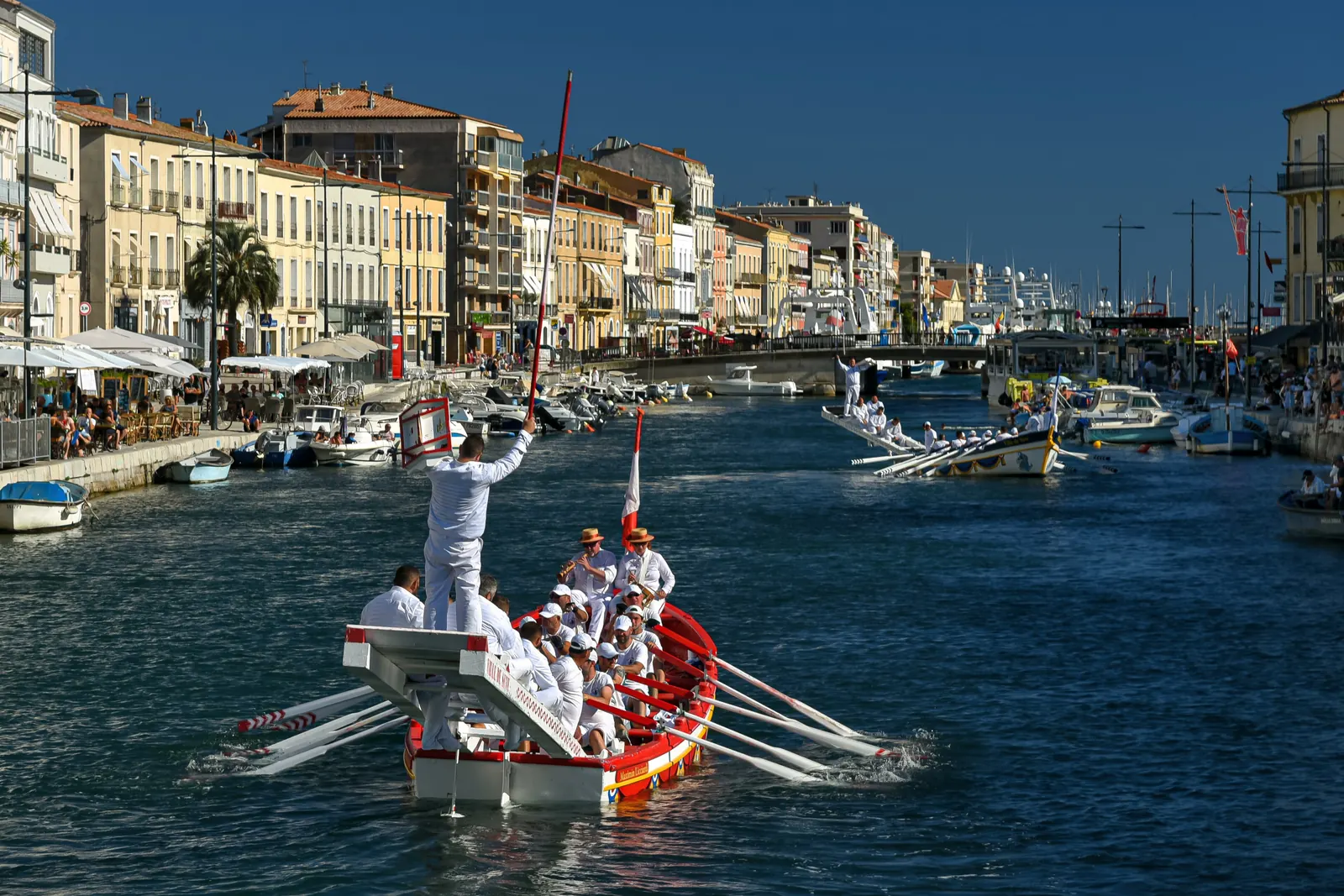
Why a shared adventure brings a team closer than an announced cohesion exercise, and how to build an outing on the étang de Thau that includes everyone.
Read the article
What a standard hotel meeting room asks of you in organisation and attention, and the six criteria that set apart a private venue that holds the day.
Read the articleThis site uses only functional cookies, which it needs in order to work. No advertising or tracking cookies are set. By continuing, you accept our privacy policy.
