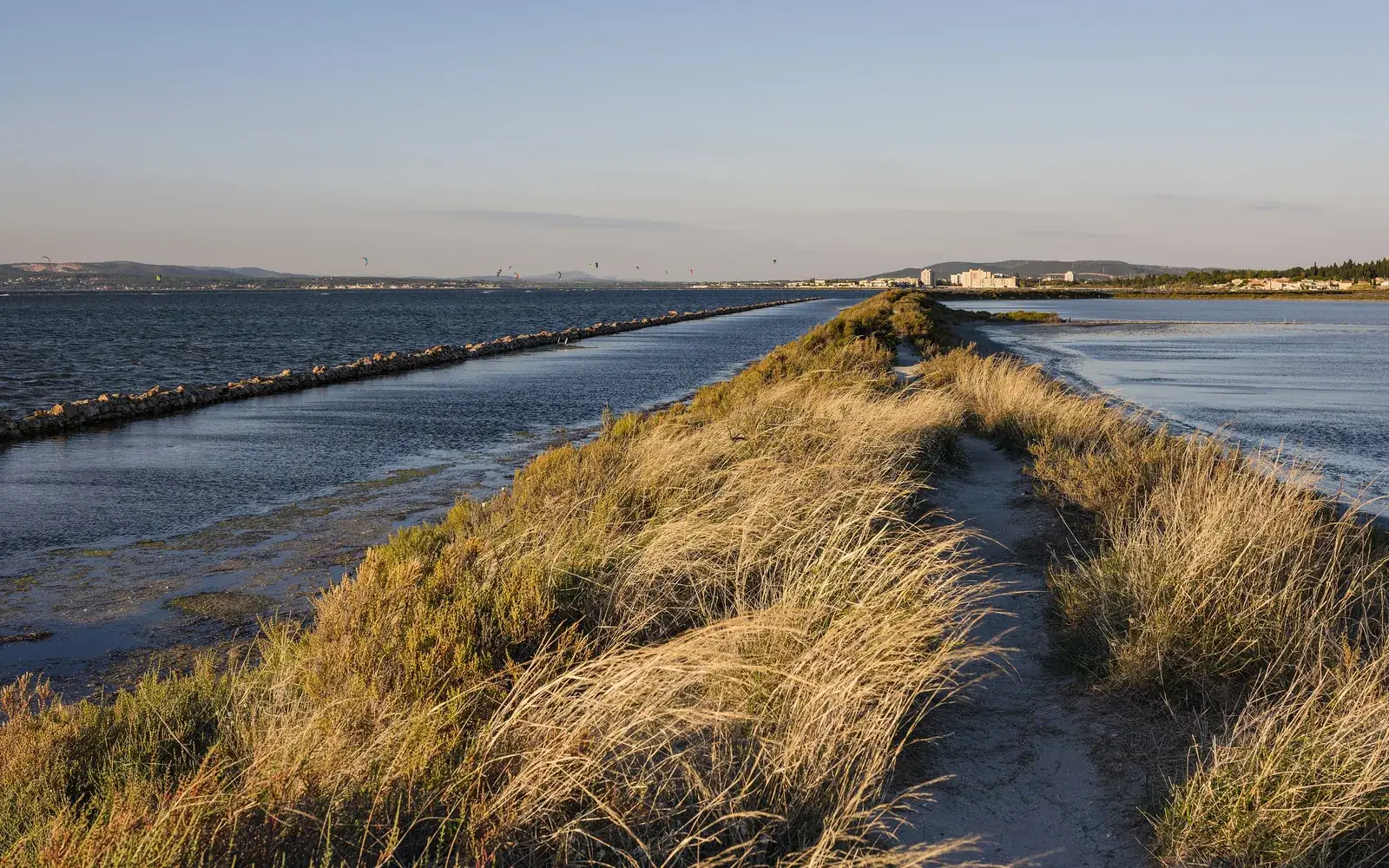
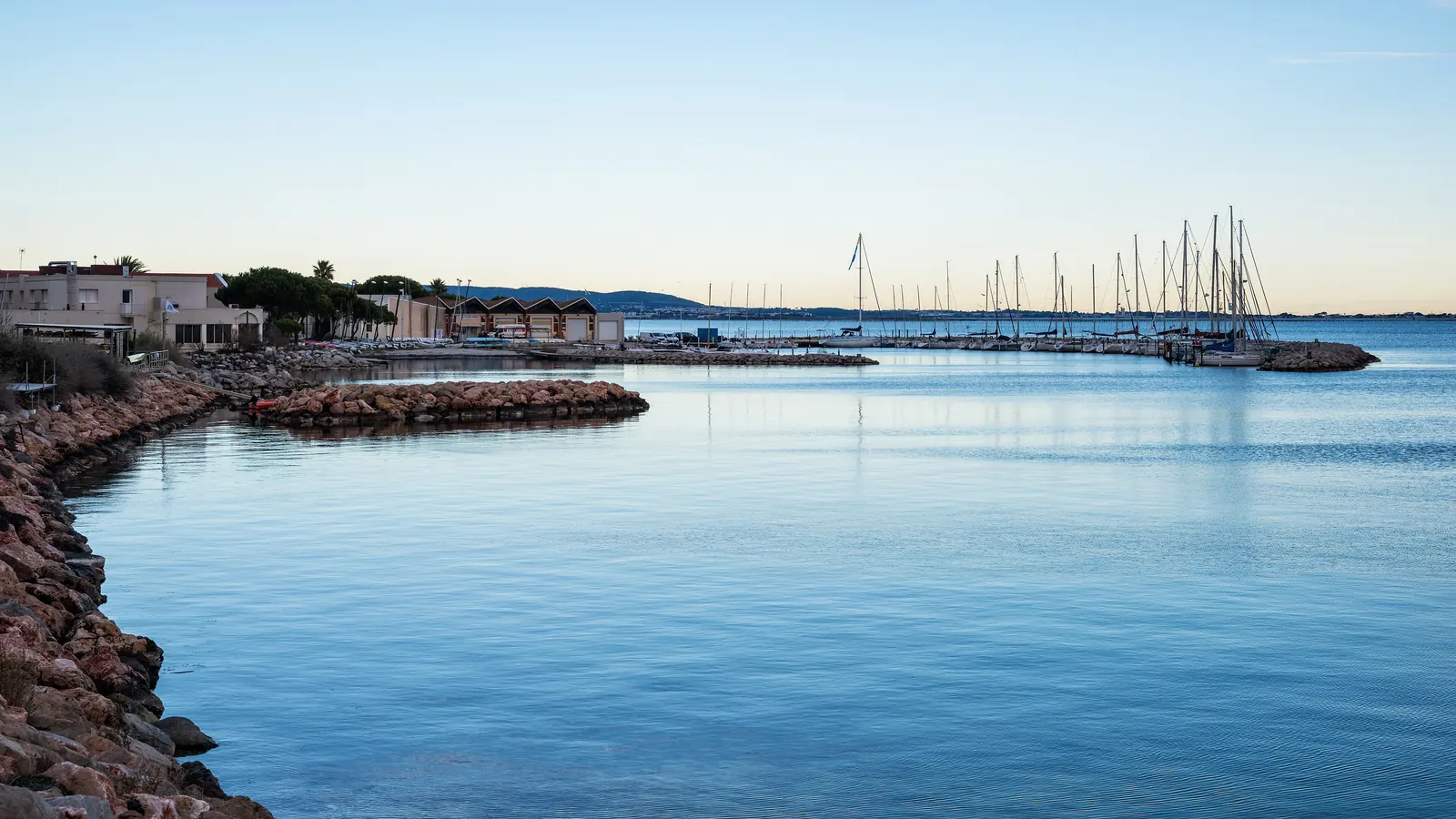
This is one of the objections we hear most often, and it comes from serious people: putting a team in a villa facing the lagoon, with the pine grove and the pool, would be buying a holiday dressed up as a working day. The worry makes sense, and it is not groundless. It does, however, point at the wrong cause. Here is what actually scatters an offsite, and the three conditions that turn a setting into an ally rather than a rival.
What the objection gets right
There are real failures, and we have seen them. A group arriving at eleven in the morning after a two-hour drive, staying twenty minutes from the meeting room, with the pool open and no framework announced, will get little done. The venue has nothing to do with it, but it will serve as the explanation, because it is the most visible variable.
So the right question is not "is this venue too pleasant", but "what, in this day, is going to consume the group's attention".
1. What scatters a day is transitions, not scenery
Count the breaks in a standard city offsite: arriving separately, finding the room, going out for lunch, coming back, heading to the hotel, meeting again for dinner. Six transitions, each with its dead time, its latecomers and its restart.
What we observe: in an exclusive residential setting, one or two remain. The group sleeps, works and eats in the same place, breaks last as long as announced because there is nowhere to go, and conversations that started at eleven pick up again at lunch instead of dying out. The gain is not a matter of comfort, it is a matter of usable time: two to three hours over two days.
The condition: accommodation on site, for the whole group. As soon as part of the team leaves in the evening, most of the advantage goes with them.
2. The setting does not replace a well-built day, it makes one bearable
A dense eight-hour day in a closed room is paid for late in the afternoon, when nobody is listening any more. That is where the venue works for you.
What we observe: the difficult sequences, the ones where decisions have to be made or unwelcome things said, go better outside and on foot than facing a screen. Recovery is quicker when the break is taken under the pines rather than in a corridor. And the afternoon everyone dreads holds up if the third sequence changes room or leaves the house. We go into that mechanism in our piece on the natural setting and creativity.
The condition: an agenda that deliberately alternates spaces, not one that ignores the venue. A fine estate you never leave the dining room of is an estate wasted.
3. The framework worth announcing is the one about the rules
Organisers' worry almost always lands on the same point: the pool, the sun, the urge to slip away. It is settled in one sentence said at the opening.
What we observe: groups that state clearly when work runs and when the estate becomes free do not have this problem. Ambiguity, on the other hand, creates one: if nobody knows whether a three o'clock swim is allowed, half the room is thinking about it instead of listening. Saying "we work until five, after that the estate is yours" is enough, and it makes the end of the day noticeably sharper.
The condition: exclusive use of the venue. That is what lets you announce a framework and hold it, which a hotel shared with other groups does not.
What to check before deciding
Three concrete questions to put to any venue before ruling it out or in: does the whole group sleep on site, are there at least two distinct working spaces to alternate between, and is the estate reserved for your group alone. If all three answers are yes, the original worry loses most of its object.
And if you want to settle the question for good rather than argue about it, it can be measured. Three readings before and after are enough, and we set them out in our piece on offsite indicators.
What it comes down to
What makes a group lose the thread is transitions, travel and unspoken rules, far more than the beauty of the setting. An exceptional venue with accommodation on site, several working spaces and exclusive use does not dilute attention: it removes the friction that consumes it. What remains is building the day, which was the real work all along.